Stories of Impact
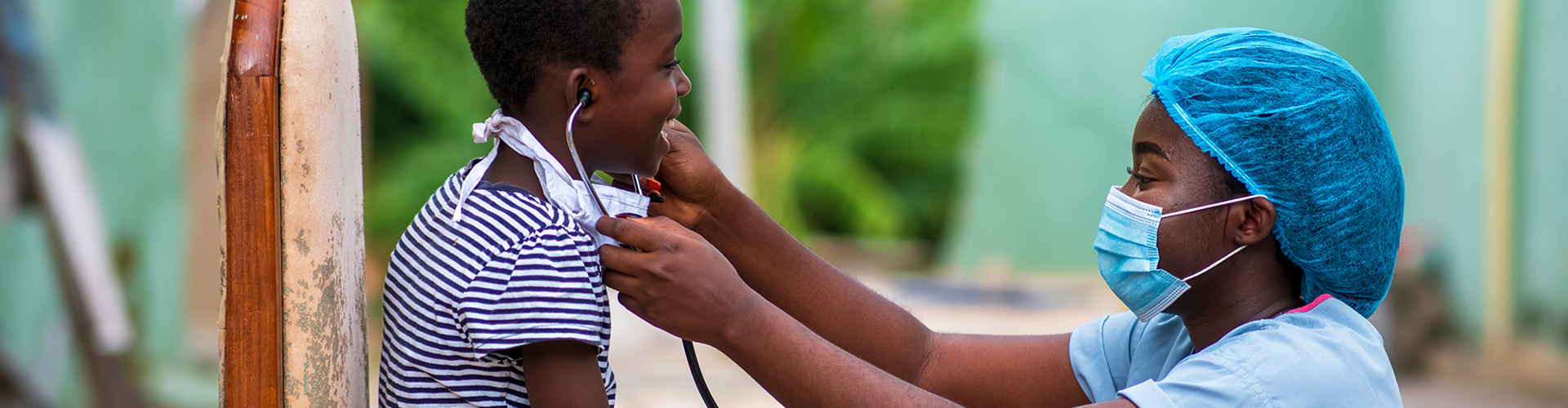
With strong government leadership and GFF partnership's support, countries are making an impact of health and wellbeing of their most vulnerable women, children and adolescents.
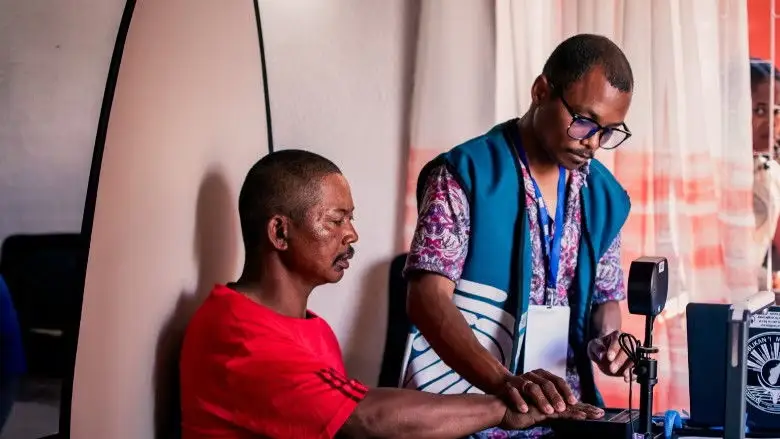
Around 6 million adults in Madagascar—nearly 40% of the population—lack a birth certificate, limiting access to jobs, financial services, and basic rights. A new 2026 law enables birth certificates to be issued at scale, building on a nationwide biometric enrollment effort supported by the PRODIGY project, financed by the World Bank and the GFF.
In April 2026, leaders from partner country governments, sovereign donors, philanthropies, the private sector, and civil society gathered to reaffirm their support for the GFF. Together, they committed more than $800 million on day one of the 2026–2030 investment round in support of maternal and child health.
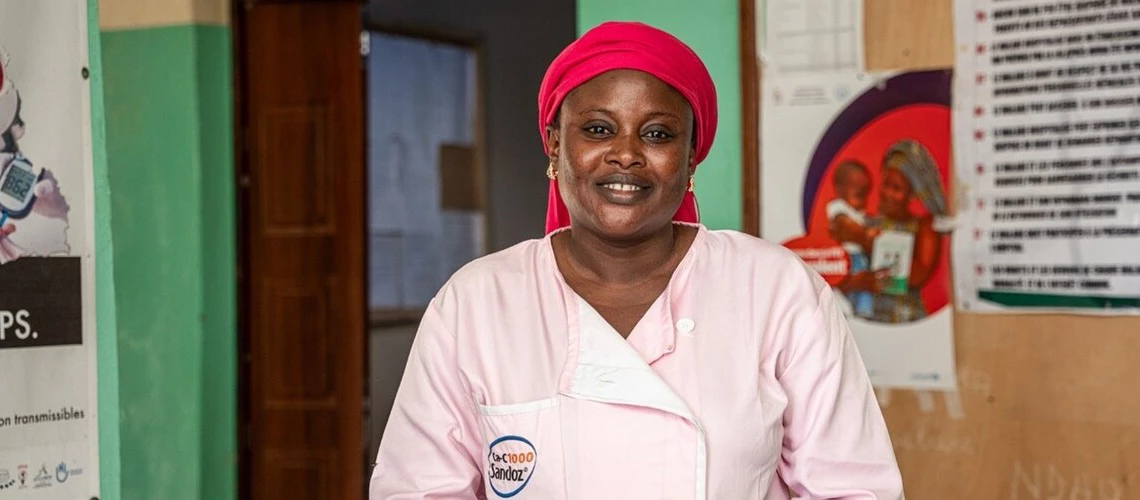
In rural Senegal, midwife Ndeye Coumba Dieng, recruited with the support of a project co-financed by the GFF, has become more than a health worker—she’s a pillar of trust. Read more about how the project is transforming lives through changemakers like Ndeye.
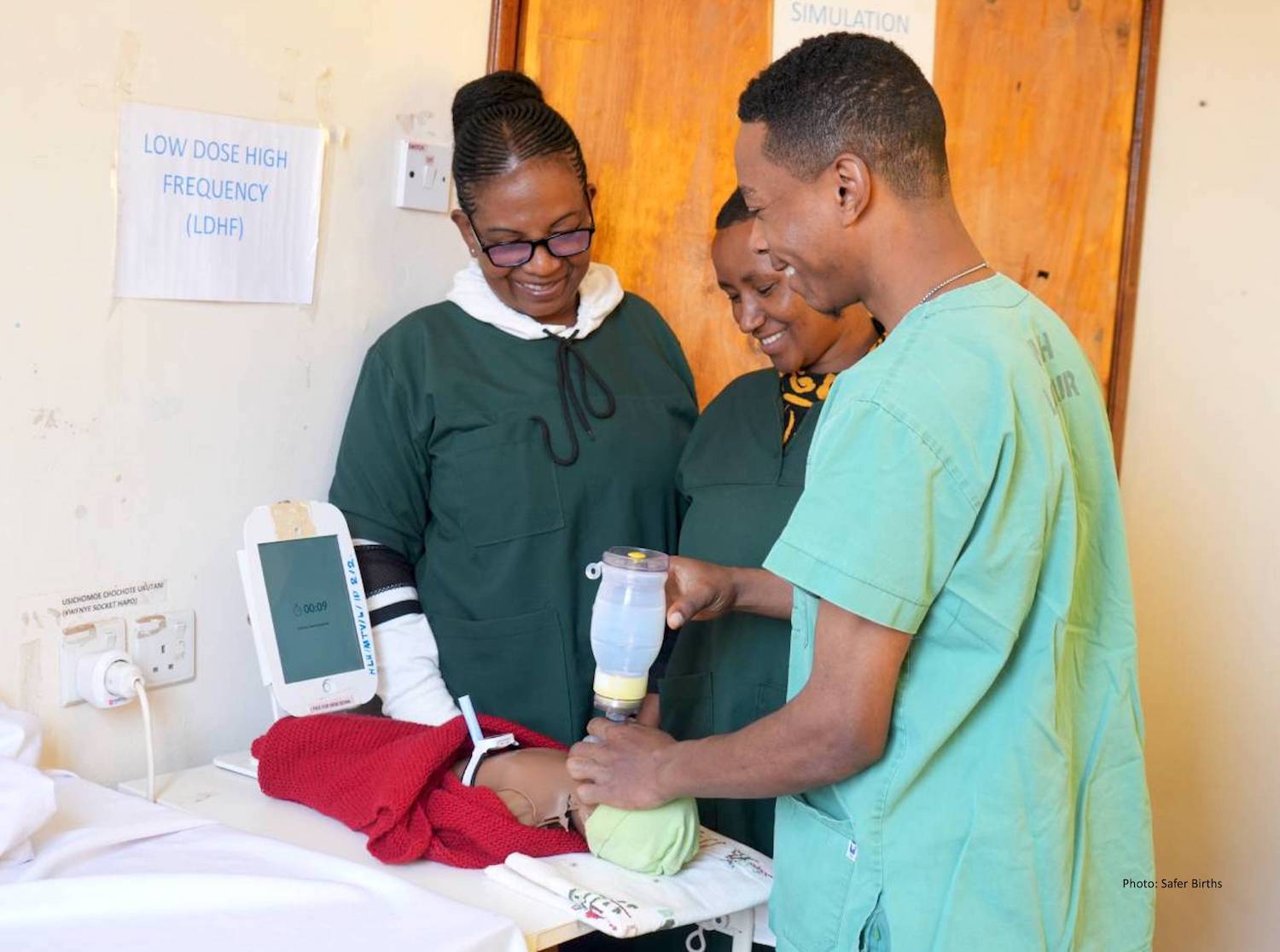
To help reduce high maternal and newborn mortality rates in LMICs, a coalition of organizations, including the GFF, developed a program to equip frontline workers with the tools, skills and confidence to act quickly and effectively on the day of birth. Piloted in hospitals across Tanzania, the Safer Births Bundle of Care has produced remarkable results.
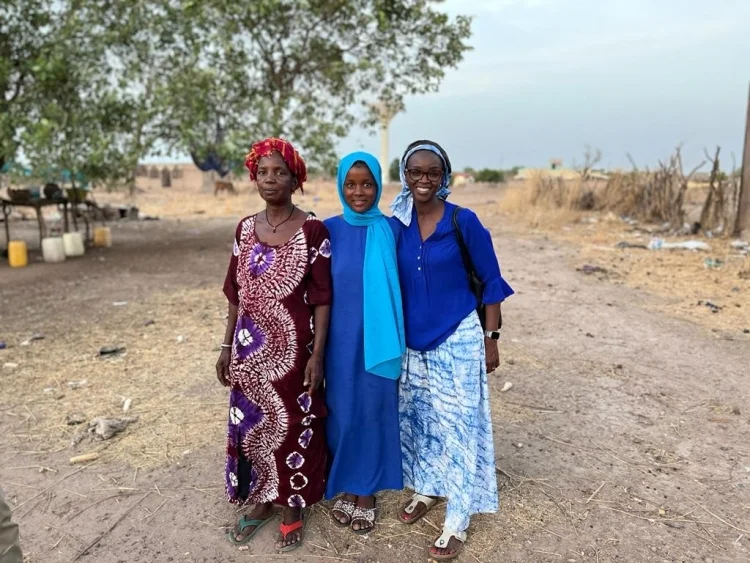
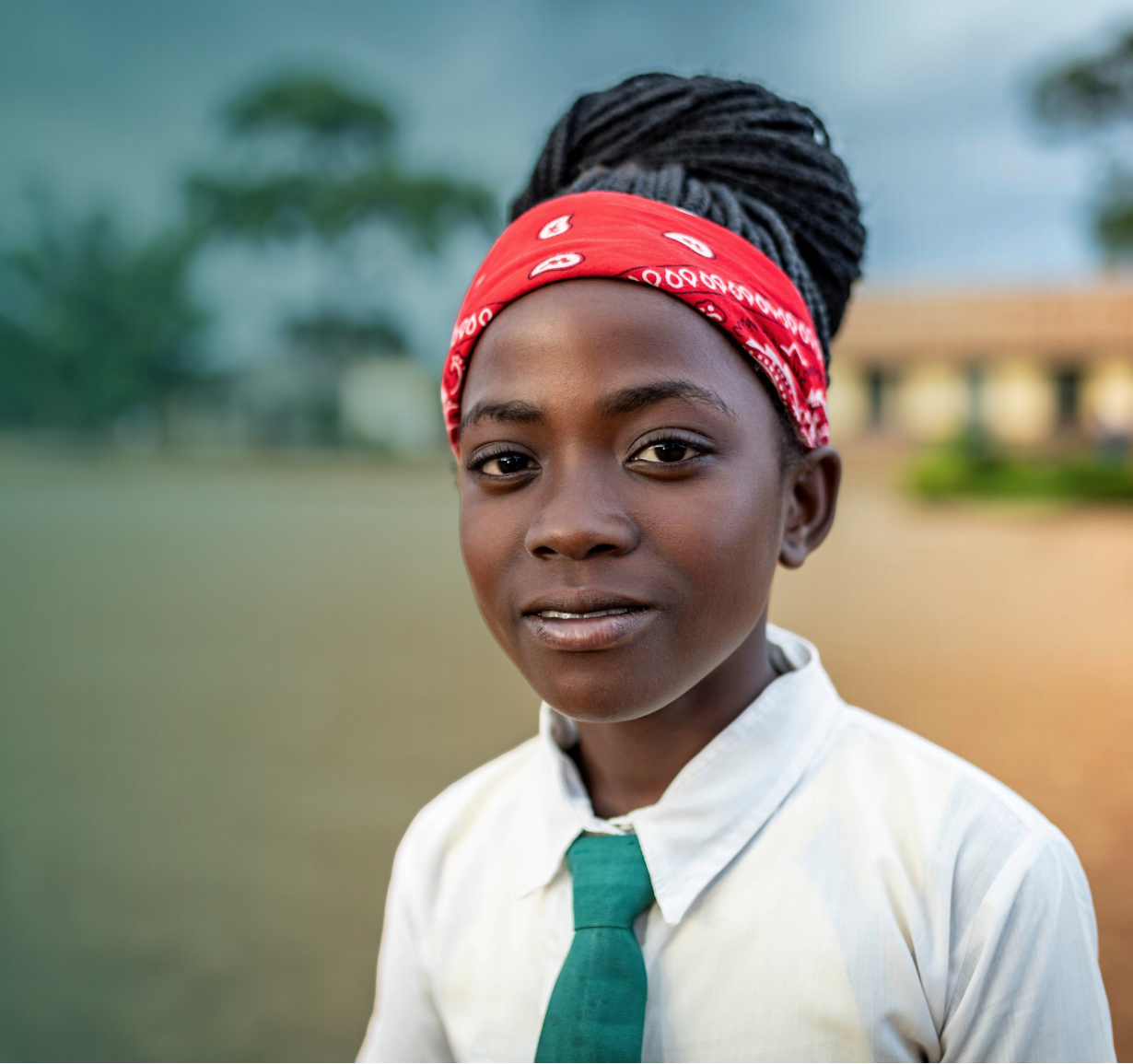
“I can see now that I have prospects,” says 13-year-old Mariama, who lives in rural Senegal. “I want to become someone and help lift my family out of poverty. Only then I will think about marriage.” What's behind Mariama's optimistic outlook?
While the last two decades saw progress in women and girls’ health, recent data and trends show that gains are stagnating and equity gaps in access to healthcare are widening.
But pockets of progress exist. A look at programs and policies in Global Financing Facility (GFF) partner countries shows what is working to close health equity gaps and accelerate progress in gender equality.
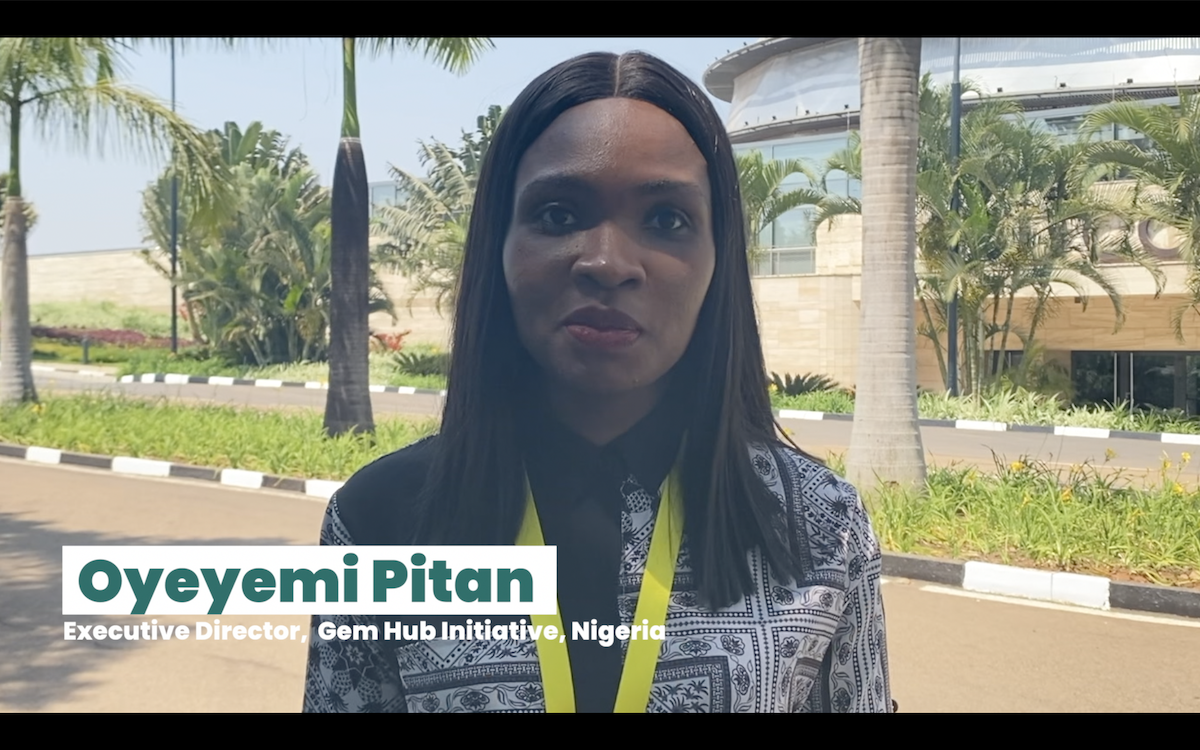
What will it take to Deliver the Future for women, children and adolescents? The GFF asked civil society partners to share their perspectives. In this video, Oyeyemi Pitan, Executive Secretary of Gem Hub Initiative in Nigeria, discusses how her work supports youth in urban and rural communities to ensure they access quality health care, including sexual and reproductive and mental health services.
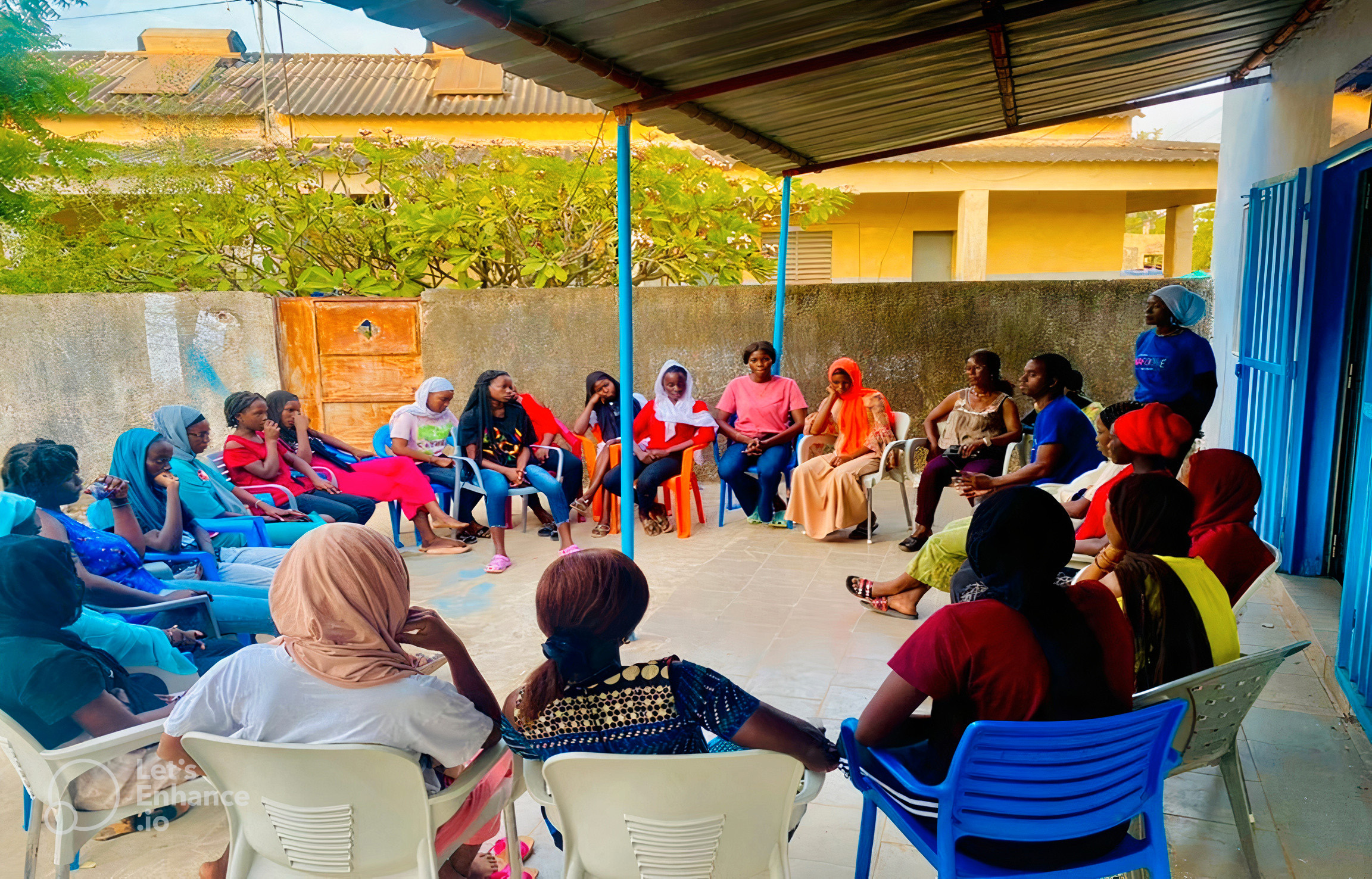
In this blog, Aminata Thioye, a gender and youth advocate from Senegal, shares how empowered youth are key to ensuring health for all and gender equality.
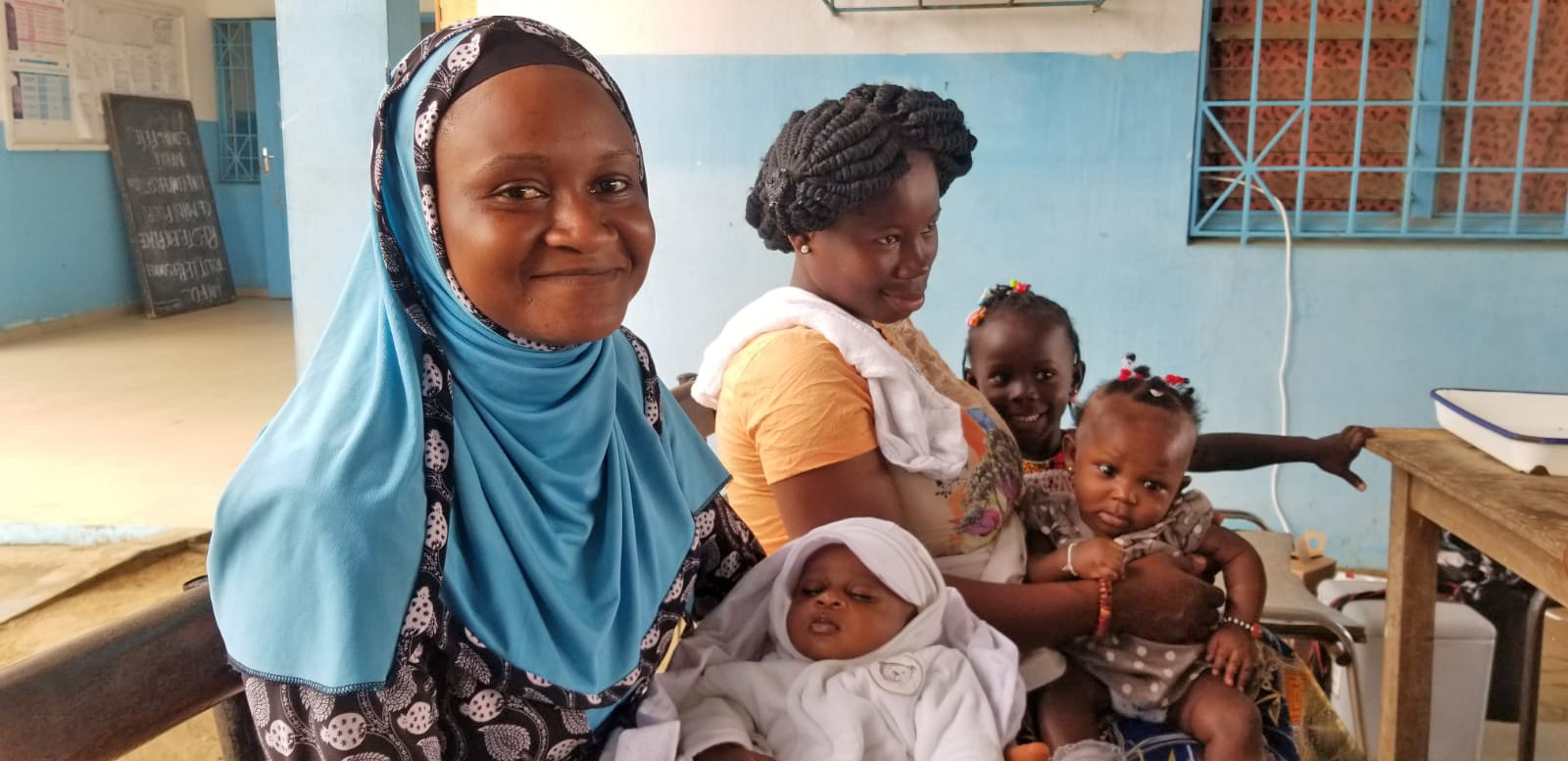
With GFF support, several countries are making health services accessible and affordable to women, children and adolescents in the most at-risk communities.
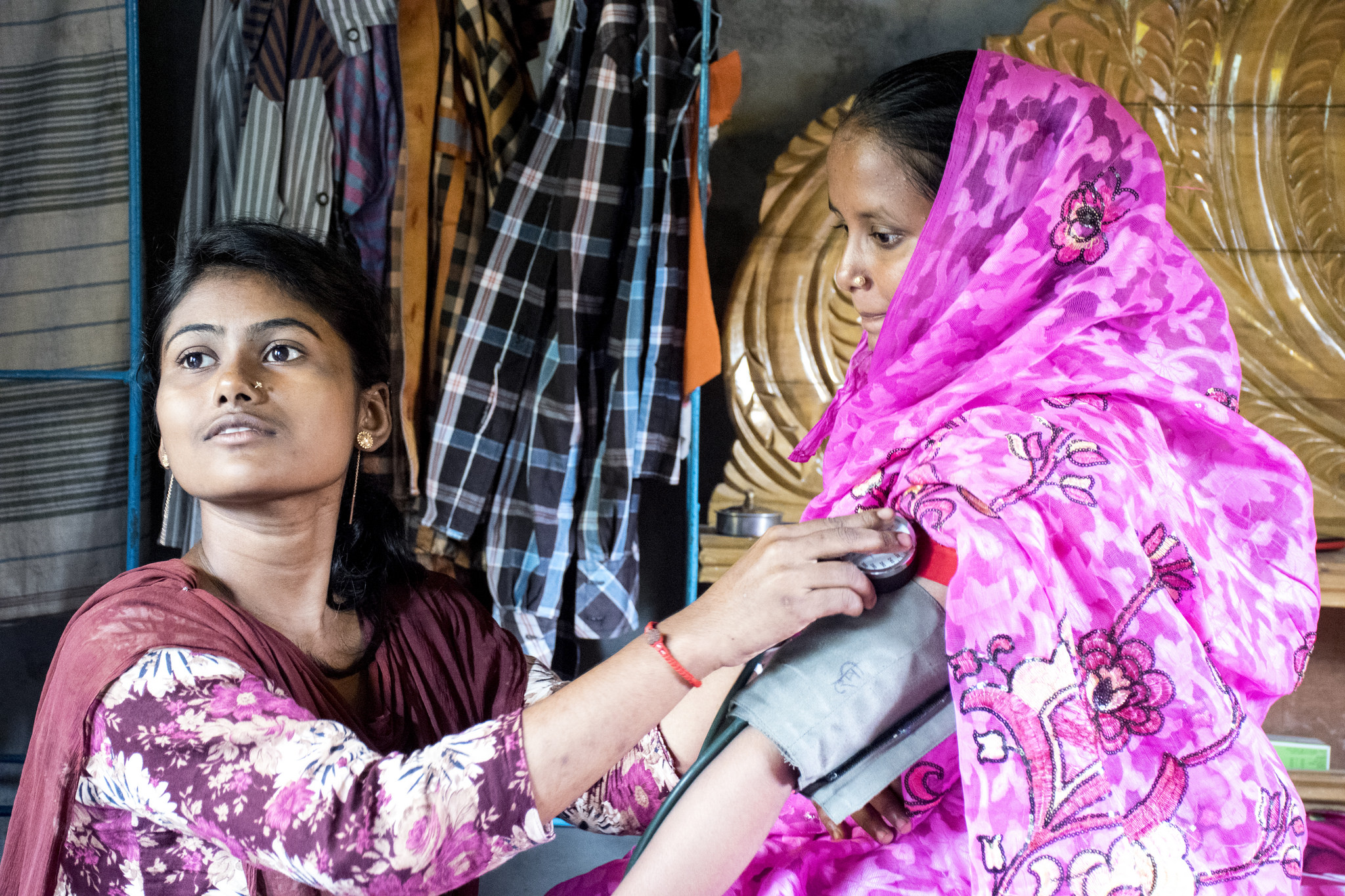
Countries will not achieve this goal without deliberate actions and progress in young girls’ and women’s access to sexual and reproductive health and rights. The GFF is committed to ensuring all women, children and adolescents can survive and thrive.
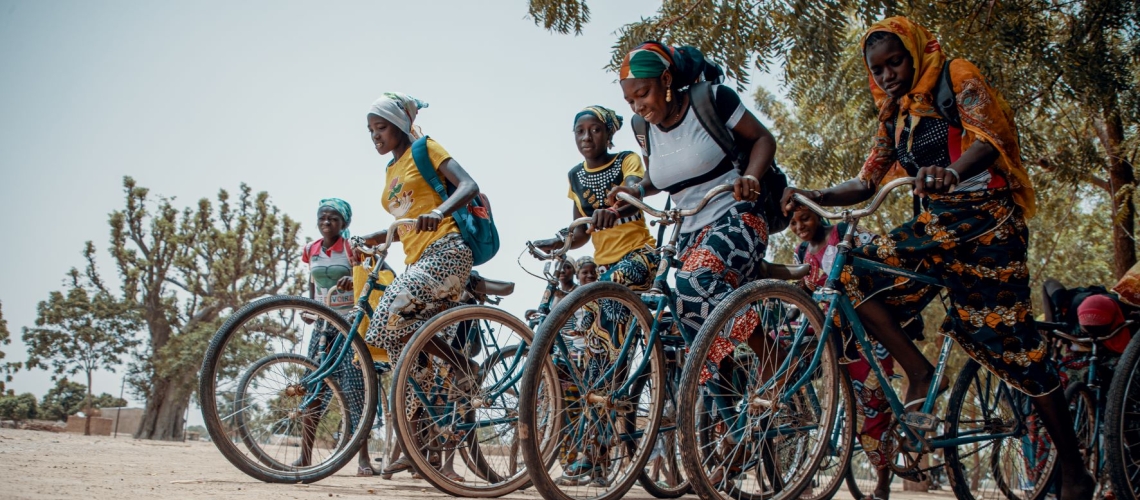
Niger has one of the highest fertility rates in the world. Combating child marriage and empowering girls can reduce unintended pregnancies and school dropout rates and increase GDP per capita. As a response, in 2019, the government of Niger, embarked on a series of reforms – including the establishment of child protection committees – to accelerate the demographic transition and promote gender equality and economic growth.
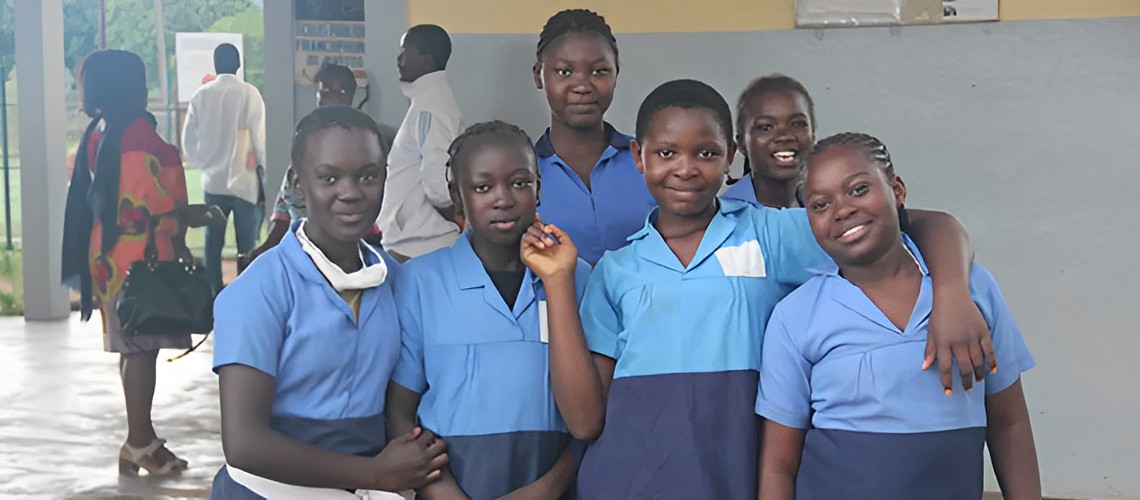
For many decades, pregnant young girls in Cameroon have not been allowed to stay in school. In April of 2022, the fate of thousands of girls in the country changed when the government – in collaboration with the GFF, the World Bank and other partners – amended a national regulation to allow pregnant girls to remain in school.
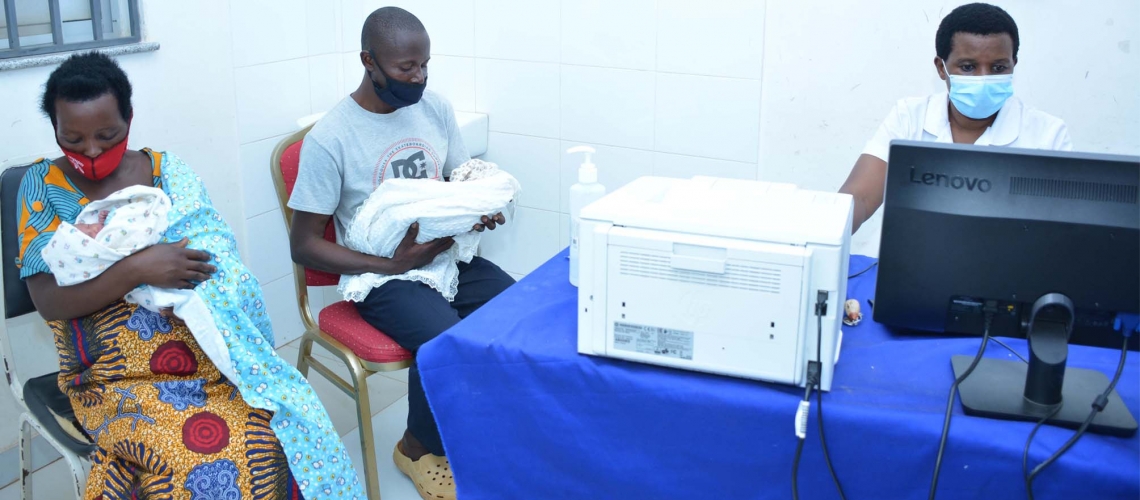
Rwanda’s National Identification Agency (NIDA), supported by the World Bank, the GFF and the Identification for Development (ID4D) initiative, under the World Bank Strengthening Social Protection Project, embarked on modernizing the CRVS system to ensure legal identity for all, good governance, and evidence-based decision making for sustainable development.
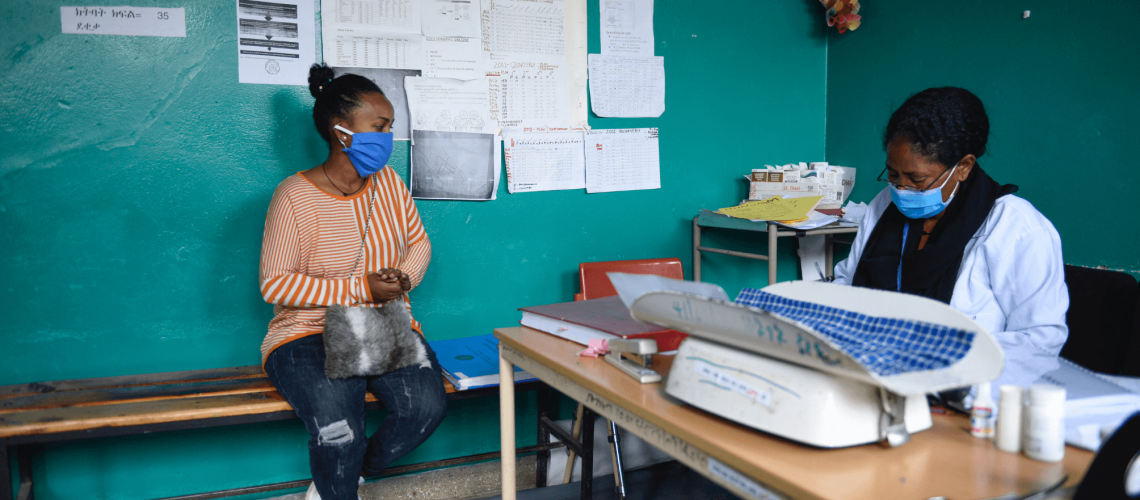
Governments responded swiftly to mitigate the impacts of the pandemic, but health systems are still under strain. Successfully engaging the private sector is critical to respond to the pandemic and build a more resilient recovery.
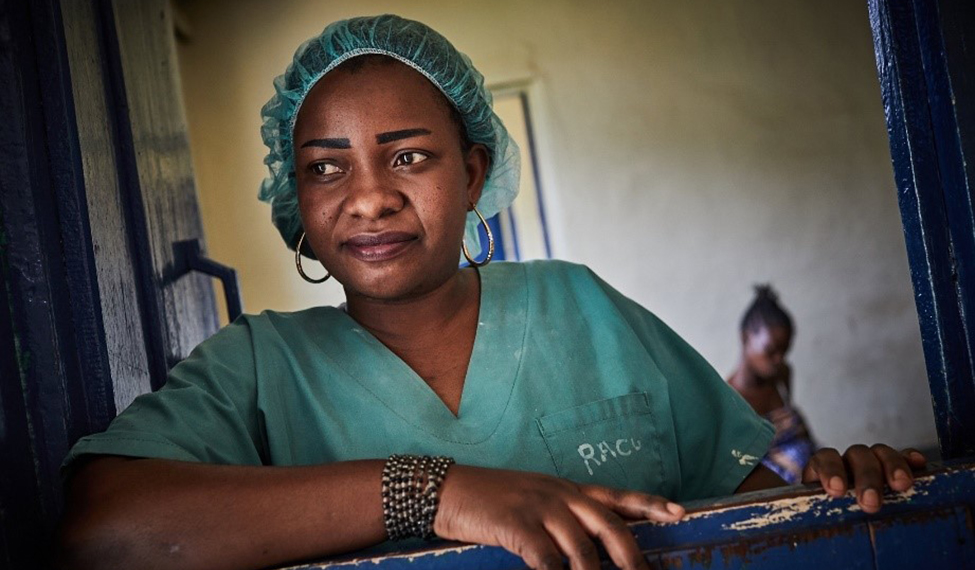
Early in the pandemic, the DRC’s Ministry of Health initiated a COVID-19 Response Plan resource mapping and expenditure tracking exercise to help monitor whether partner and domestic funding for COVID-19 could be secured without jeopardizing implementation of the national health strategy.

