
Secretariat
The GFF Secretariat is responsible for managing the daily work of the GFF, including the GFF Multidonor Trust Fund; analytical work and technical assistance to GFF-supported country platforms, programs, and projects; engagement with global donors, partners, and stakeholders; results monitoring and reporting; and knowledge and learning.
The GFF Secretariat team is comprised of diverse experts in areas such as health systems, health financing, civil registration and vital statistics, maternal and child health, nutrition, family planning, private sector engagement, communications, knowledge and learning, and monitoring and evaluation as well as secondees from GFF partner organizations.
Contact: GFFSecretariat@worldbank.org
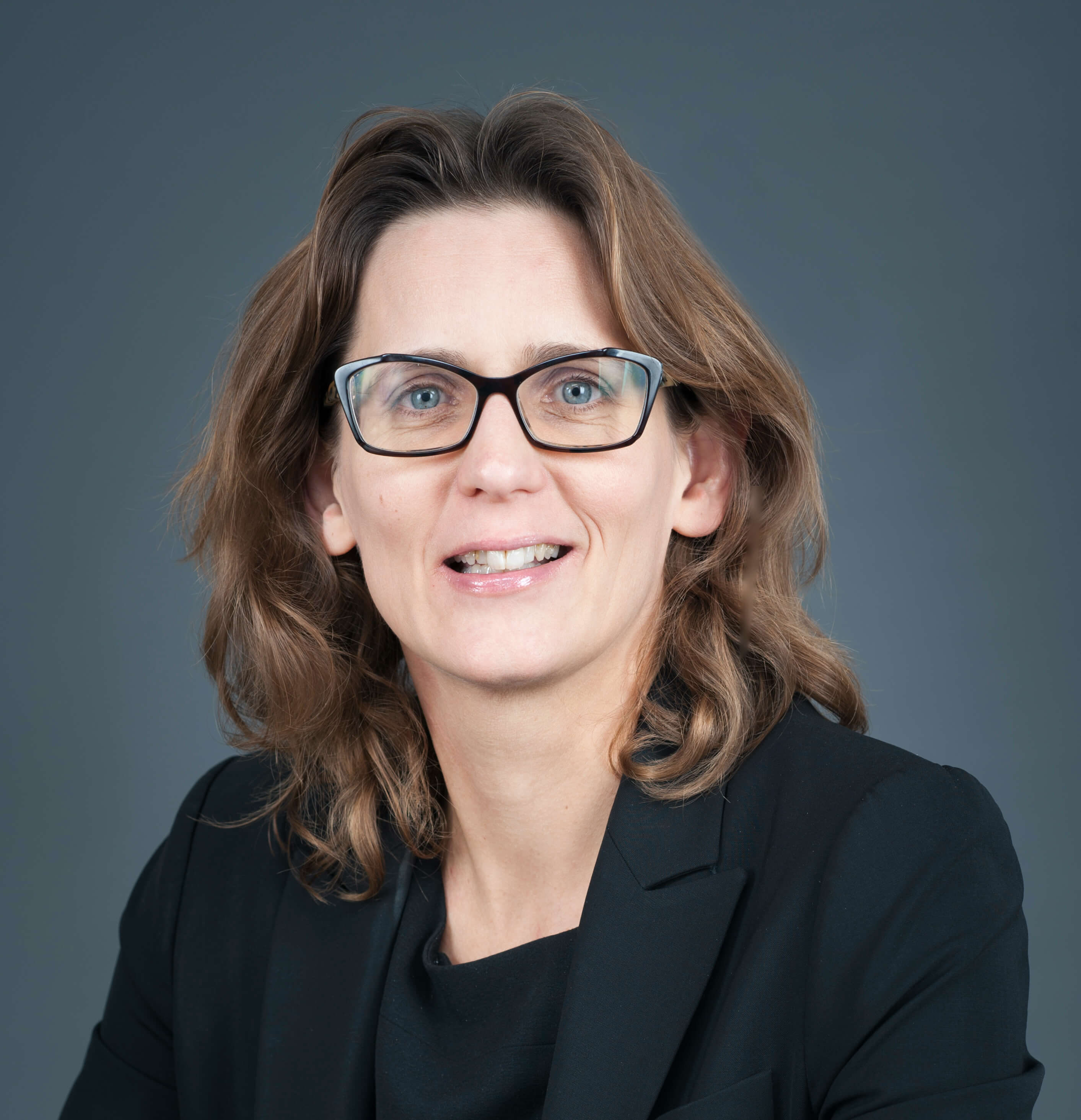
Monique is passionate about innovative and smart investments to improve women, children and adolescent health and her expertise in reproductive health, health systems strengthening, and financing and service delivery has been built over more than 25 years of global health experience working in various regions including Africa, Latin America, and East Asia. She led World Bank financed country programs on health systems reform and primary health care in Latin America and East and Southern Africa. She also managed U.K. Department for International Development programs on women’s health, health financing and inequality in Brazil and led a portfolio of maternal and child health and nutrition programs for World Vision International in Indonesia. Prior to the establishment of the GFF in 2015, Monique managed the Health Results Innovation Fund, an initiative that focused on innovations in health financing and frontline service delivery.
Monique holds an MD from the University of Amsterdam, an MPH in International Health from Harvard University, a diploma in health economics from the University of York and a certificate in Women and Leadership from the Said Business School in London. She is a proud mother of two.

From 2013 to 2017, he was program leader for human development for the Central African Republic, Democratic Republic of Congo and Republic of Congo, based in Kinshasa, where he coordinated World Bank investments in health, nutrition, population, education, social protection, gender and fragility.
He joined the World Bank as senior nutrition specialist in the South Asia Region in 2009, initially based in New Delhi, India and then in Islamabad, Pakistan. Prior to joining the World Bank, he held several positions including regional director for Asia in the non-profit organization Nutrition International, and various positions at the Canadian International Development Agency. He also worked as counselor to the executive director for Canada, China, Spain, Korea and Kuwait at the African Development Bank, based in Abidjan, Côte d’Ivoire, and worked at the International Development Research Centre in Canada.

A former HBNU Fogarty Global Health Fellow and Sexuality Leadership Development Fellow, Emmanuel has led randomized controlled trials, implementation research, longitudinal studies, and systematic reviews on adolescent health and risk behaviors. He has authored more than 50 peer-reviewed papers in high-impact journals, including The Lancet and BMJ. Emmanuel has contributed to global and national health policy through WHO’s GAMA group and the GFF and led the development of Nigeria’s first M&E framework for adolescent health.
He holds an MPH from the University of Ilorin and a PhD in public health, focusing on adolescent health, from the University of Ibadan.
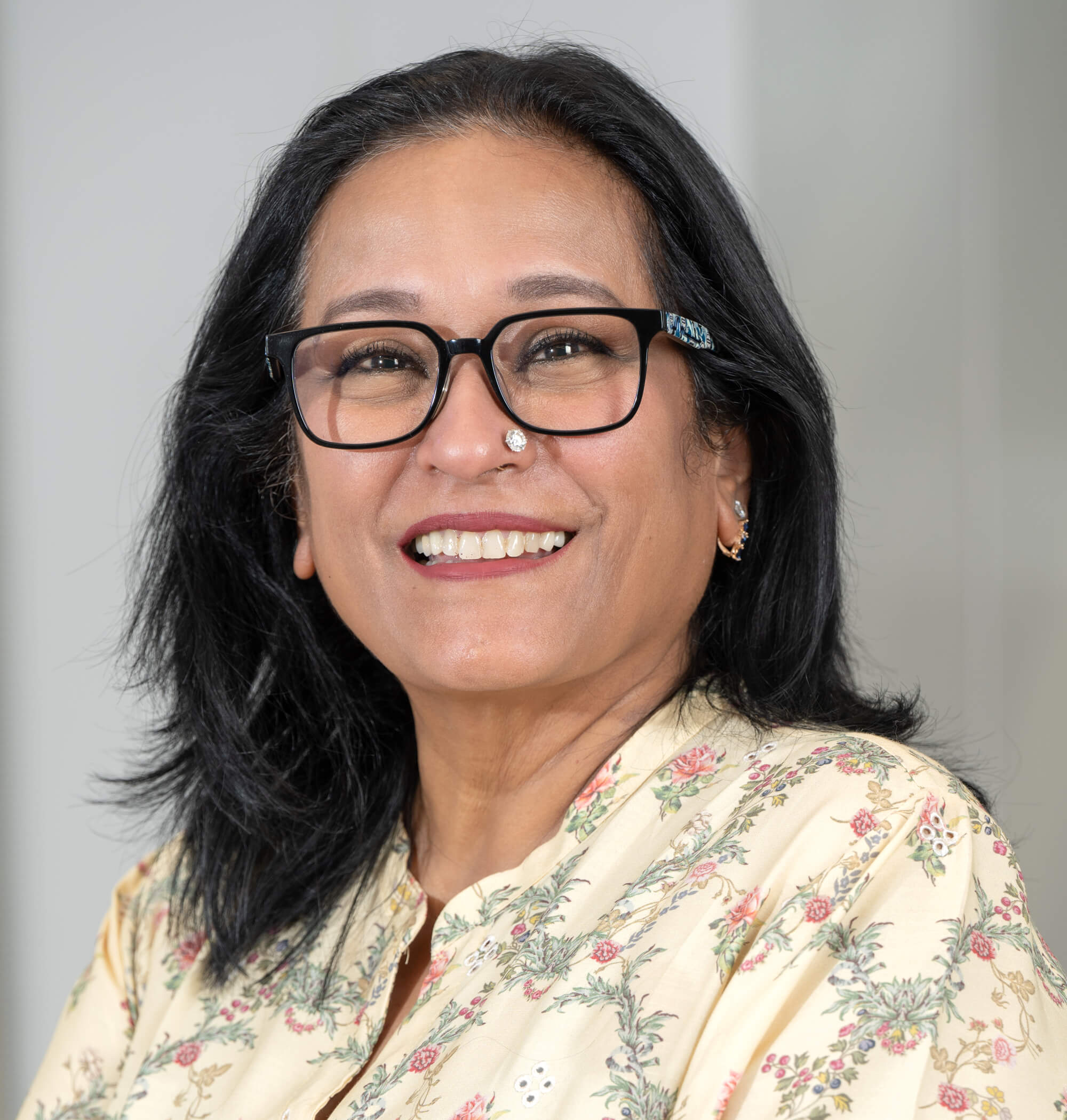
She has led key health projects in South Asia, including Bangladesh’s health sector SWAP and health and gender support project, Sri Lanka’s primary health care strengthening project, and India’s Tamil Nadu health system strengthening project. She designed Bangladesh’s first PforR project and supported SWAP in Nigeria, the Punjab family planning program in Pakistan, and the South Sudan health project.
Before joining the World Bank, she worked with Bangladesh government, the UN, and DFiD.
She is a physician with a master’s in virology and an MPhil in preventive and social medicine. She coauthored the "Bangladesh Health System Review: HiT for the Asia Pacific Observatory.

Most recently she served as director of health, population, and nutrition at USAID/Ghana, where she oversaw a US$90 million annual portfolio and designed the mission’s US$450 million five-year public health strategy. Her career spans senior leadership roles with USAID in Ghana, Nigeria, Indonesia, and Tanzania, as well as at the Gates Foundation, where she managed flagship global health financing partnerships, including the GFF.
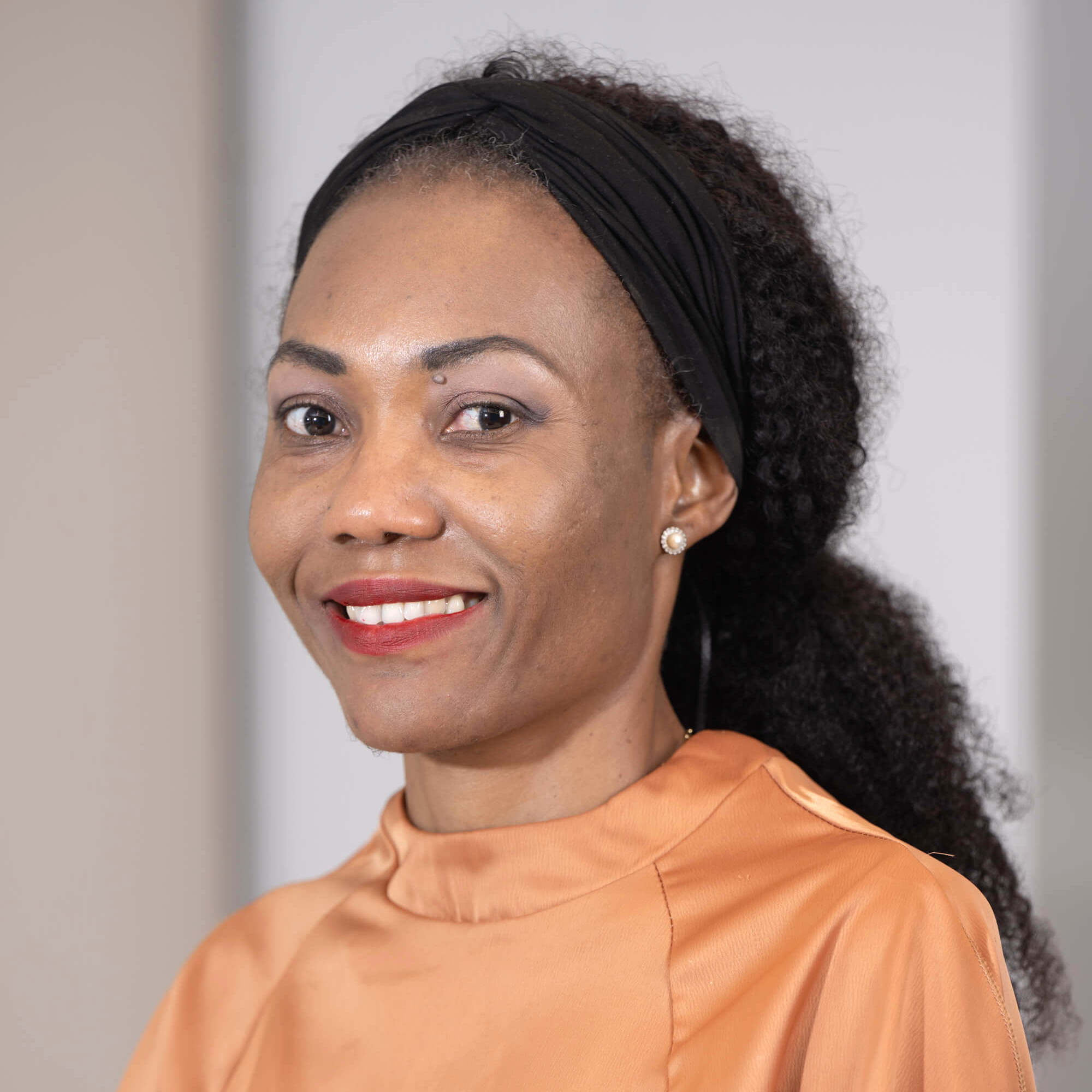
Before joining the GFF, she worked with the UN (MONUSCO and UNDP) in human resources and financial reporting.
She holds a bachelor’s degree in social development, a diploma in computer programming, and is currently pursuing a master's in public health with a focus on health systems management and epidemiology.
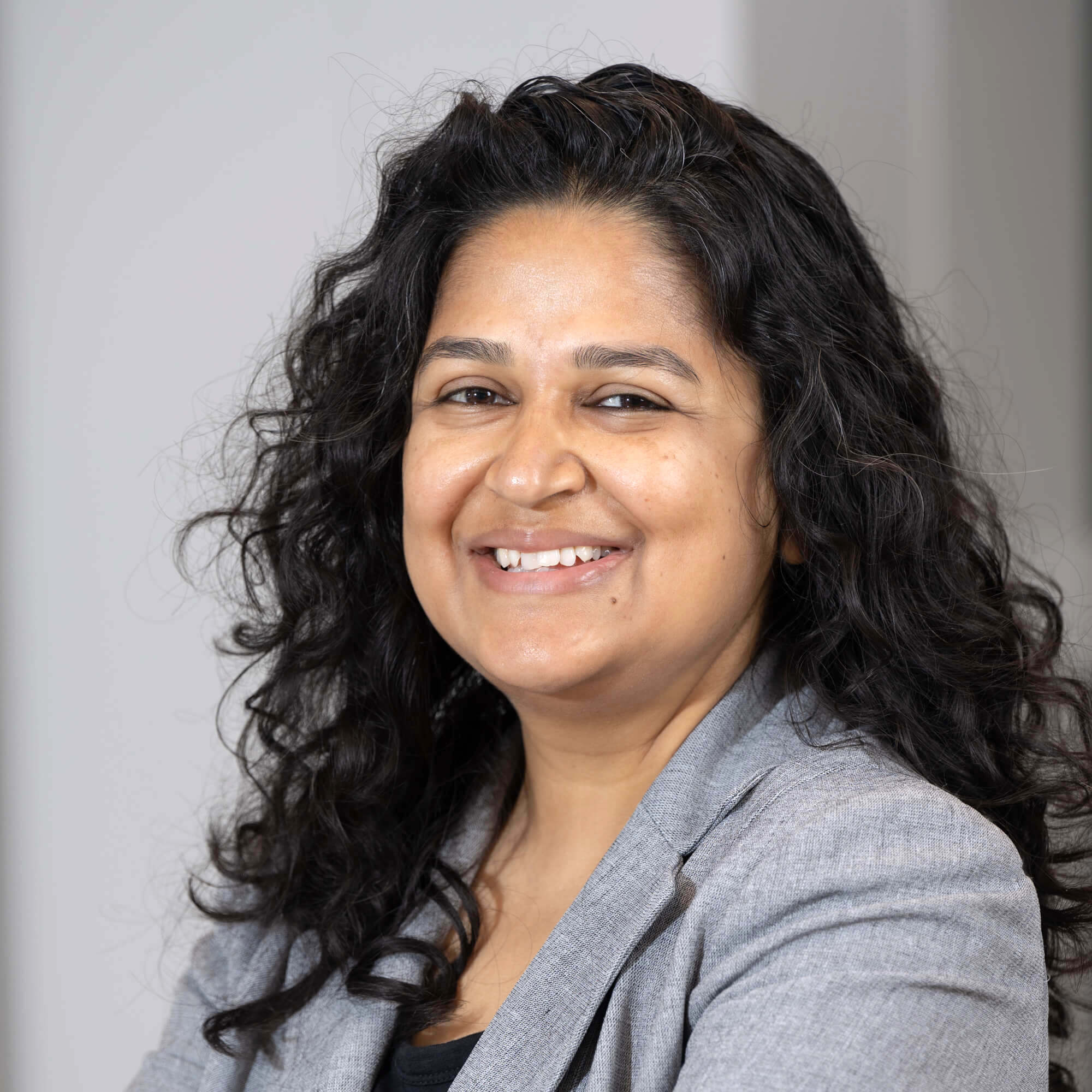
Richa started her World Bank career in 2016 in Nepal, overseeing communications and outreach for the country team. In 2020, she moved to Washington, DC, to take up a role with the Bank’s Engagement & Partnerships Unit, focusing on civil society engagement, knowledge management, and risk monitoring. Prior to joining the Bank, Richa worked with Save the Children and WWF, building a career in strategic and crisis communications, advocacy and media engagement.
She holds a master’s degree in English literature and an MPhil in literature & linguistics.
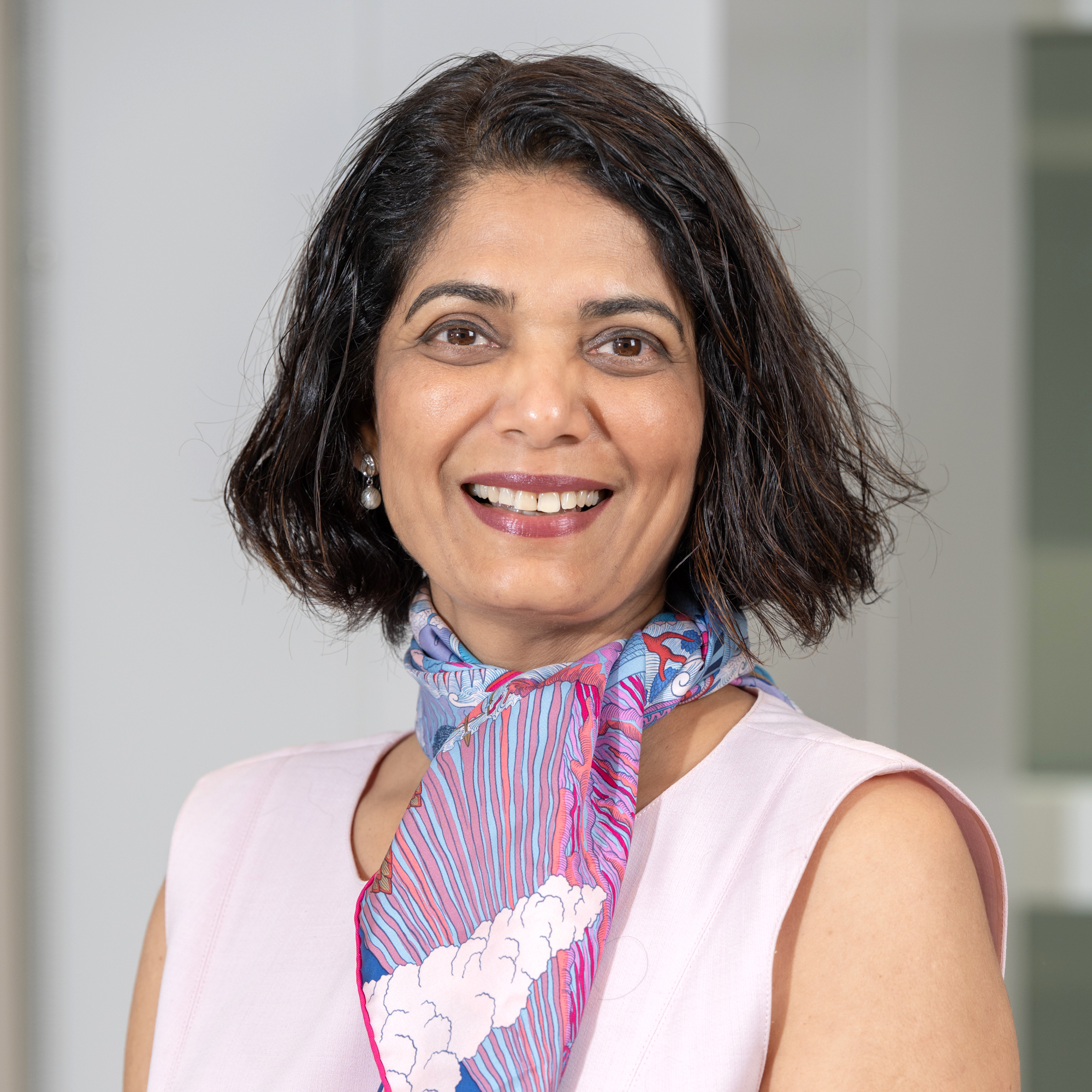
At the GFF, Manjiri leads the organization’s resource mapping and expenditure tracking (RMET) portfolio, with a focus on strengthening the collection and use of health financing data to inform country planning, budgeting, and public financial management systems, to improve RMNCAH-N outcomes.
Prior to joining the GFF, Manjiri served as a senior program officer at Gates Foundation, where she managed the foundation’s partnership with the Global Fund to Fight AIDS, Tuberculosis and Malaria as well as a $30 million grant portfolio. Before that, she led the health financing team at the Global Fund in Geneva, supporting countries on health financing reforms, domestic resource mobilization, health policy, and the management and analysis of disease and financing data across the Global Fund portfolio. Her work also focused on public health resource tracking, budgeting, resource allocation, equity, and value for money.
Over the course of her career, Manjiri has led analytical studies and operational research on health systems strengthening and equity across Africa and the Middle East. She regularly contributes to global health financing dialogues, has authored peer-reviewed publications, and is deeply committed to advancing universal health coverage through equitable and evidence-based resource allocation. She also brings extensive experience in strategy development and managing large, multistakeholder technical partnerships.

She holds an MSc in medical anthropology from University College London, and an MSc in organizational and social psychology from the London School of Economics and Political Science.
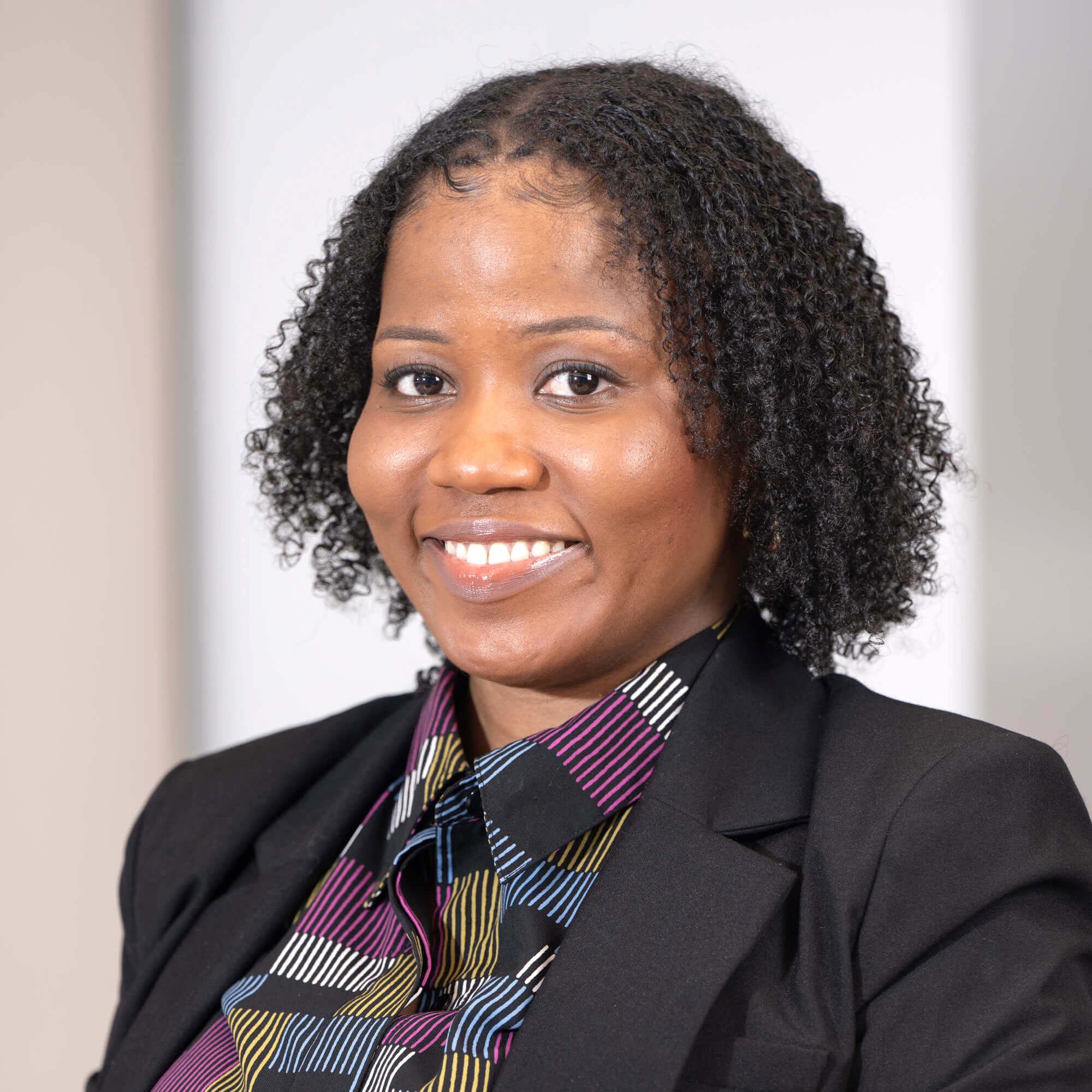
Before joining the GFF, she worked at the World Bank’s Dakar Country Office on multisectoral operations in water, environment, social development, and urban development. She also held roles at the Japan International Cooperation Agency (JICA), an international mining company, and the WHO Emergency Hub in Dakar, where she supported the Emergencies Program and was deployed to the regional office in Brazzaville during the Ebola response.
She holds a master’s degree in business administration.

Previously, she spent five years in the Bank’s Trust Fund Policy Unit (DFi), advising teams on trust fund management, contributing to policy and procedure drafting, and leading a system modernization project that reduced manual data entry and improved accuracy. She also had five years of experiences of managing large administrative budgets and capital investments for the Bank’s IT unit, where she conducted in-depth financial analyses for IT services and implemented automated budget reporting to enhance efficiency and reporting quality.
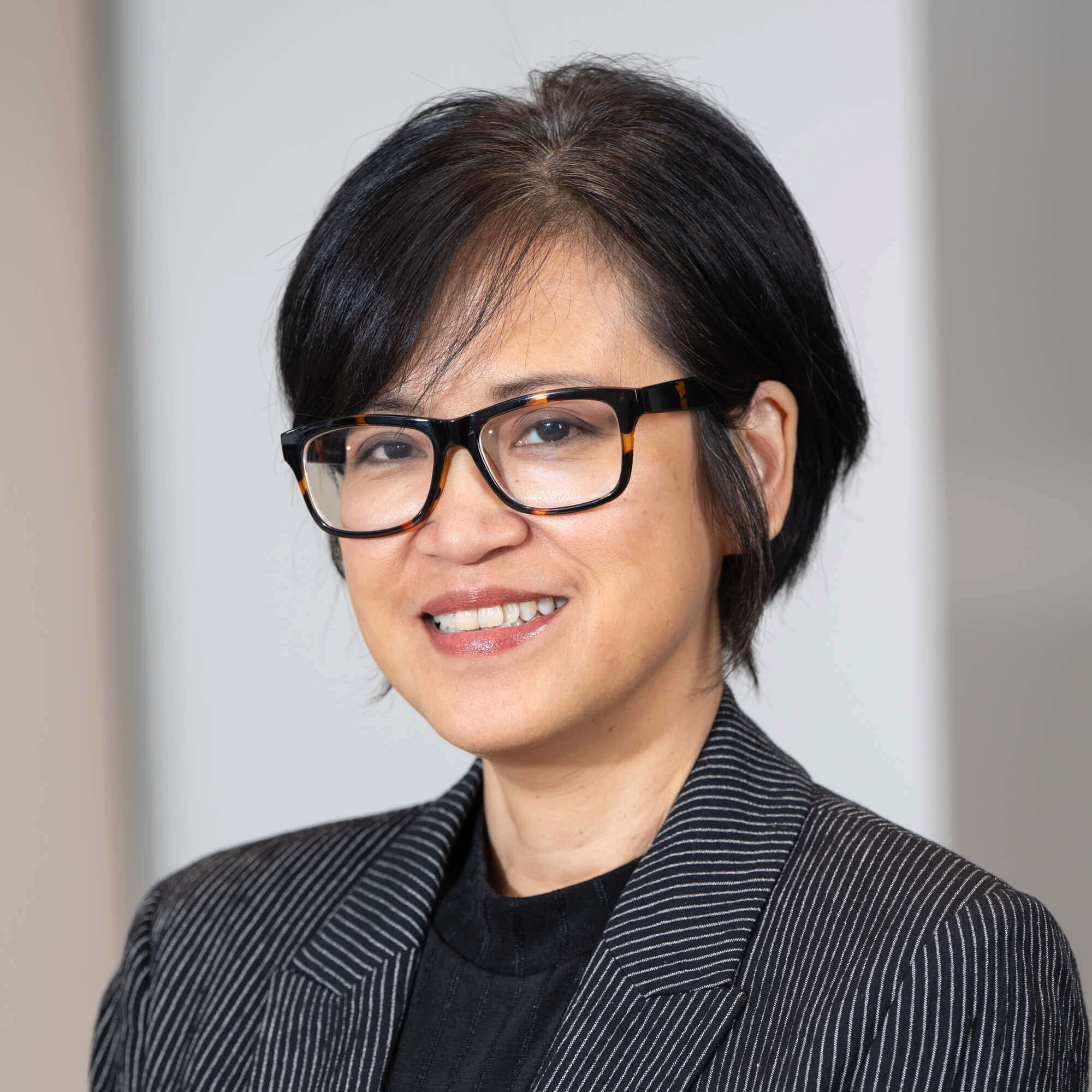
She previously completed a one-year developmental assignment in the World Bank’s Eastern and Southern Africa vice president’s office, supporting the regional vice president and the director of strategy and operations. From 2019 to 2024, she contributed to the external relations and the country operations workstreams at the GFF. Prior to joining the GFF, she was part of the front office of the senior vice president, UN relations and partnerships, and held roles in the country director’s office and administration unit at the World Bank’s Indonesia Country Office.
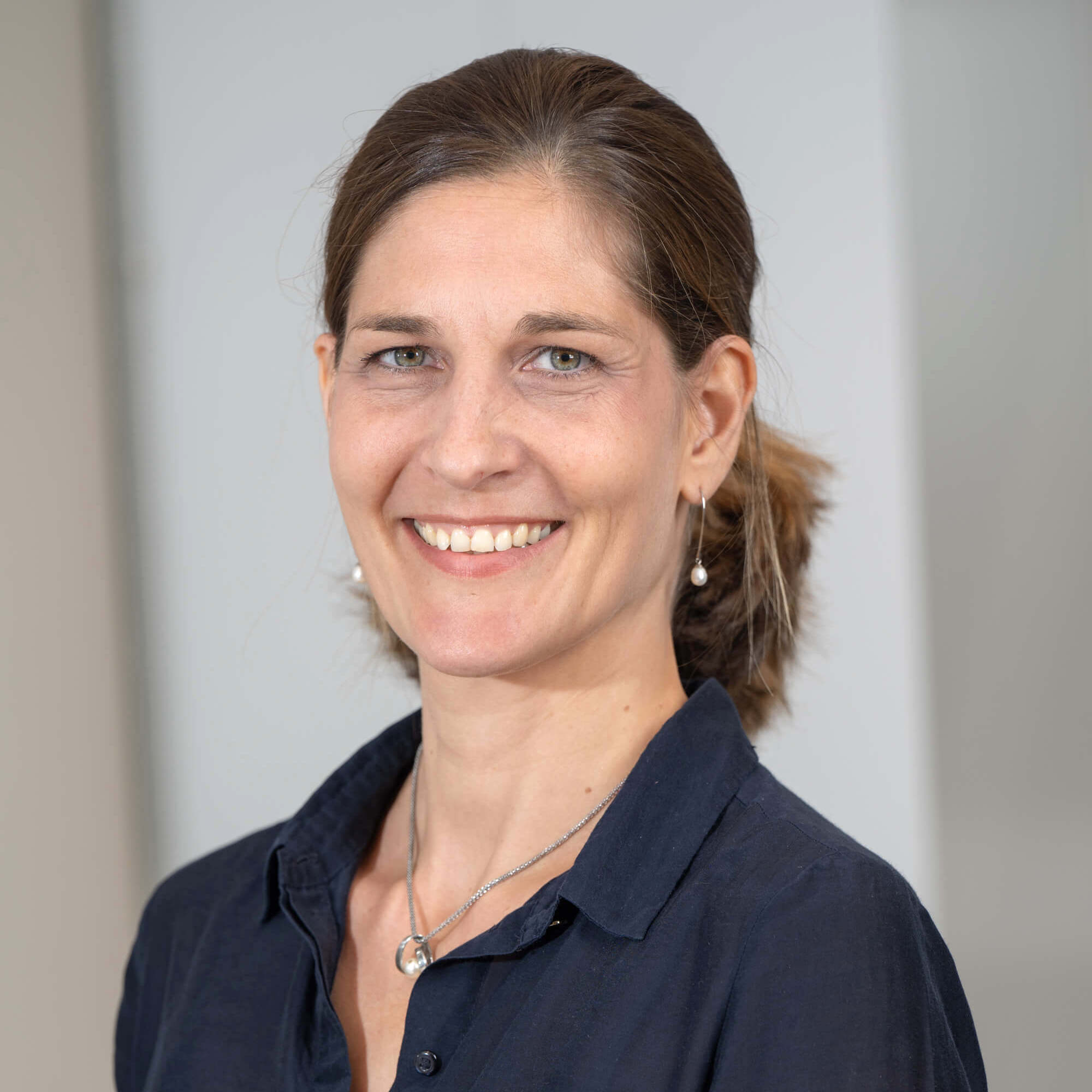
Before joining the GFF, she led the GIZ health project ProSanté in Togo, aimed at reducing maternal and child mortality rates.
She holds a master’s degree in social sciences from Goethe University and a master’s degree in public health from the London School of Hygiene & Tropical Medicine.
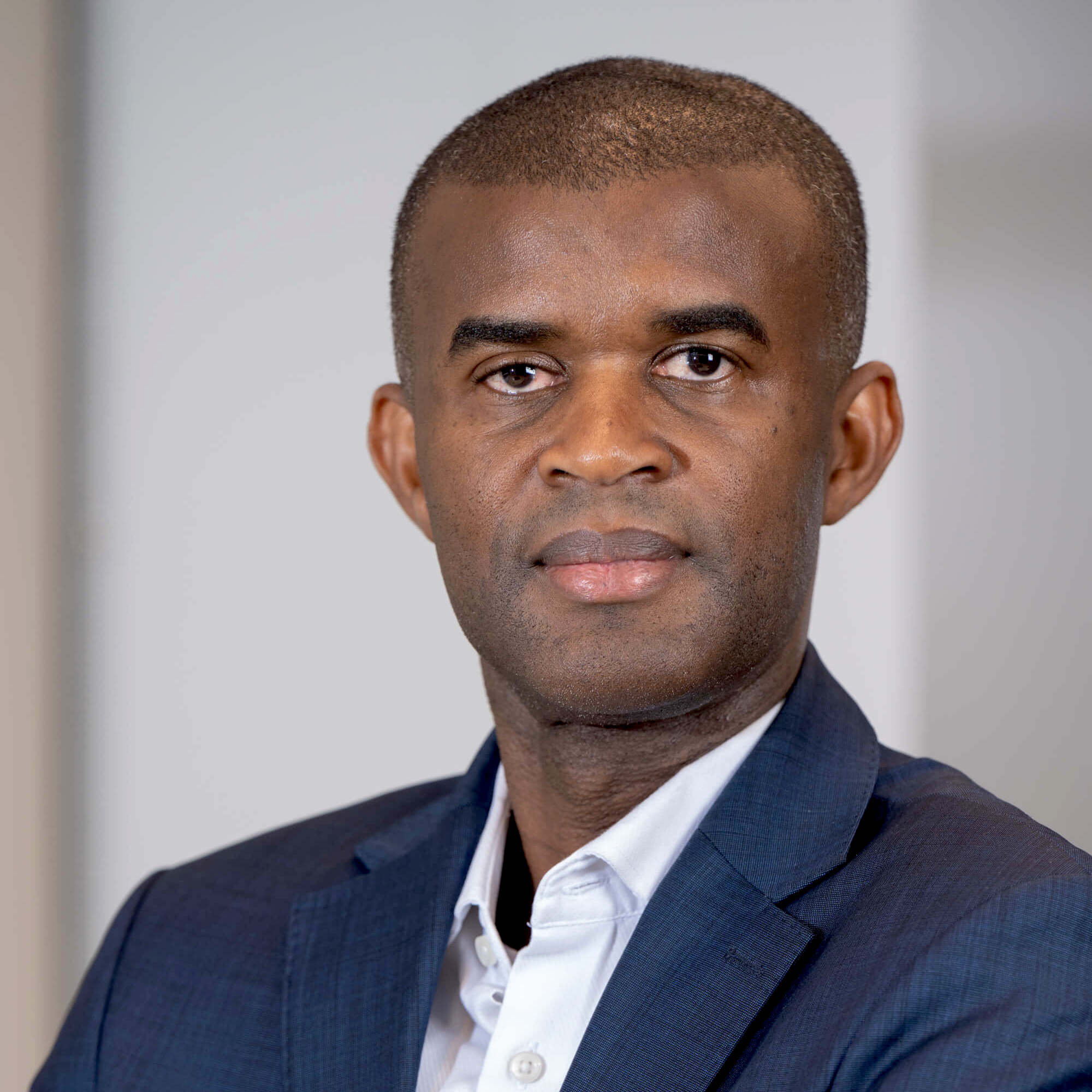
Prior to joining the GFF, he managed the World Bank’s health portfolios in Burkina Faso, Mauritania, and Senegal.
He holds a PhD in Economics from CERDI, Clermont-Ferrand.

He previously led health projects, analytical work, and policy dialogue as a World Bank task team leader and earlier worked over 10 years with the government of Cameroon. With more than 20 years of experience in public health and health systems, and 15 years in health financing and performance-based financing, he brings deep expertise in primary health care.
Jean Claude is a medical doctor with a master’s in public health.
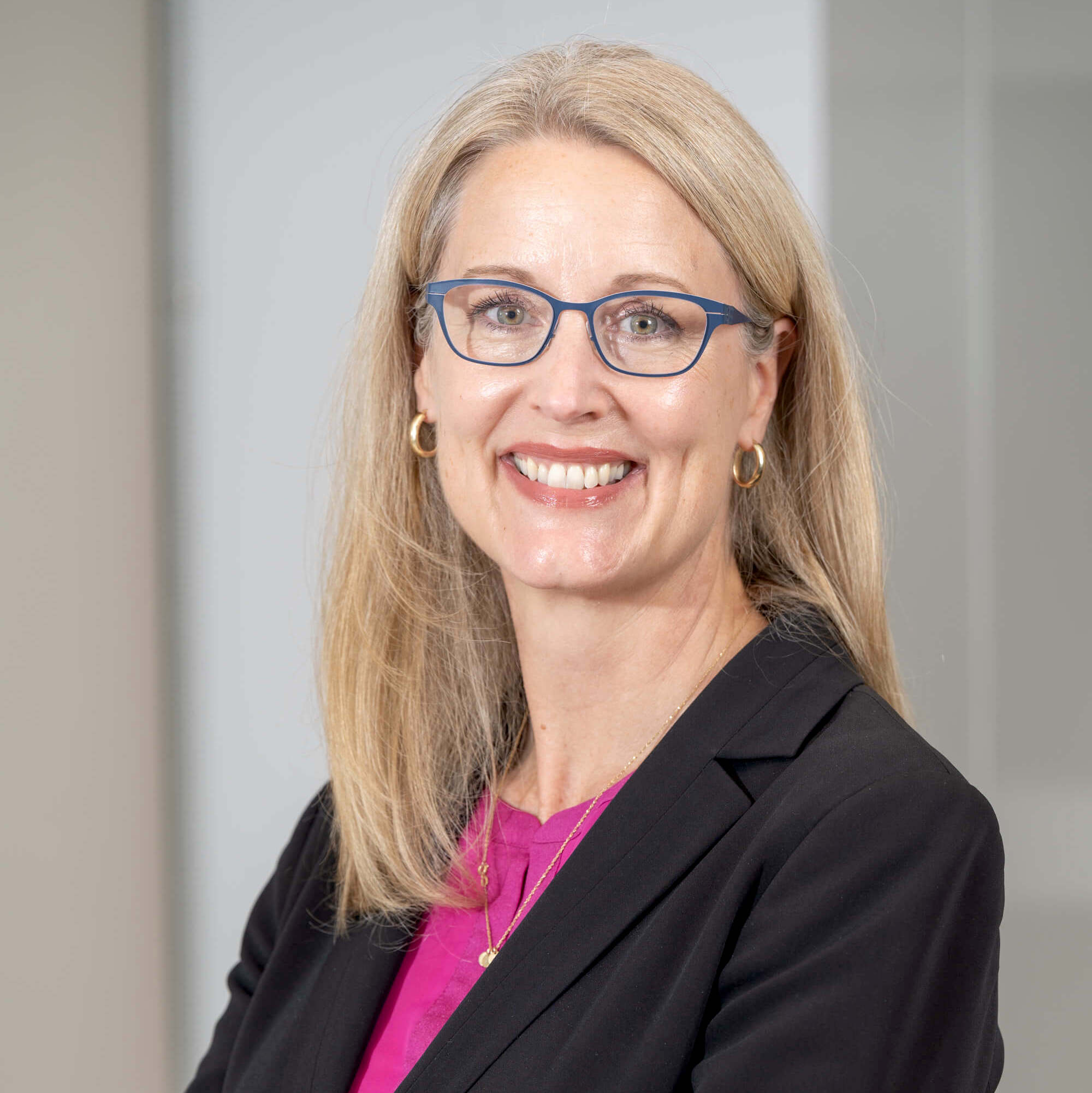
Karin is a strategic planning and program development specialist with more than 20 years of international experience in HIV/AIDS, prevention of mother-to-child transmission (pMTCT) and maternal and child health in developing countries. She previously served as a team lead within USAID’s Office of HIV/AIDS, focused on the application of data analysis to inform country implementation of PEPFAR-funded programs, and as field sirector for the AMPATH Kenya partnership, responsible for the rollout of PMTCT services to a catchment area of 2.2 million people in Kenya.
She holds an MPP in international relations and economics from Pepperdine University.
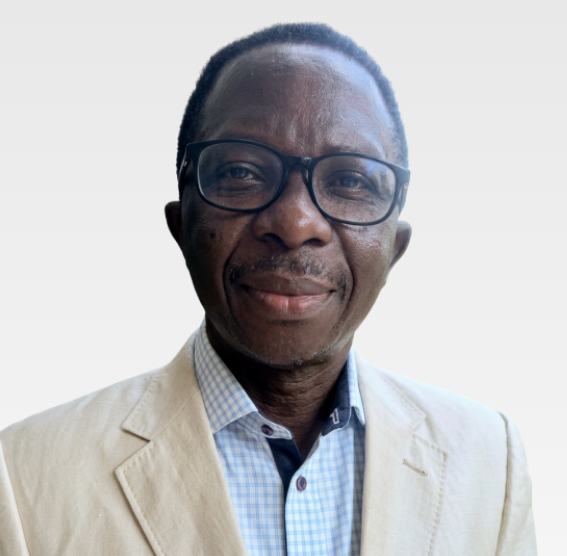
Prior to joining the GFF as the country coordinator for Benin, Marius served as a RMNCH specialist at USAID Benin, where he provided strategic leadership and oversight of a diverse health portfolio. He also worked with CARE International as maternal and child health program coordinator, leading the implementation of multiple health projects in Benin and Togo.
Throughout his career, Marius has collaborated closely with governments, development partners, and civil society organizations to strengthen health systems, expand access to quality services, and mobilize resources for sustainable health financing. His expertise includes health systems strengthening, strategic planning, partnership development, and innovative approaches to maternal and child health programming.
Marius holds a master’s degree in health program management from CESAG in Dakar, Senegal, and a master’s degree in public health from the University of Bordeaux, France. He is currently pursuing a master’s degree in epidemiology. He is passionate about leveraging data, evidence, and partnerships to accelerate progress toward improved health outcomes for women, children, and adolescents.

Peter has more than 20 years of experience with monitoring and evaluation, health systems strengthening and reproductive, maternal, newborn, child and adolescent health and nutrition. Peter previously worked at Results for Development, the Global Fund to Fight AIDS, TB and Malaria, Gavi the Vaccine Alliance, the Johns Hopkins University, and with nongovernmental organizations.
He has a PhD in international health from the Johns Hopkins University and a master’s in East Asian studies from Stanford University.
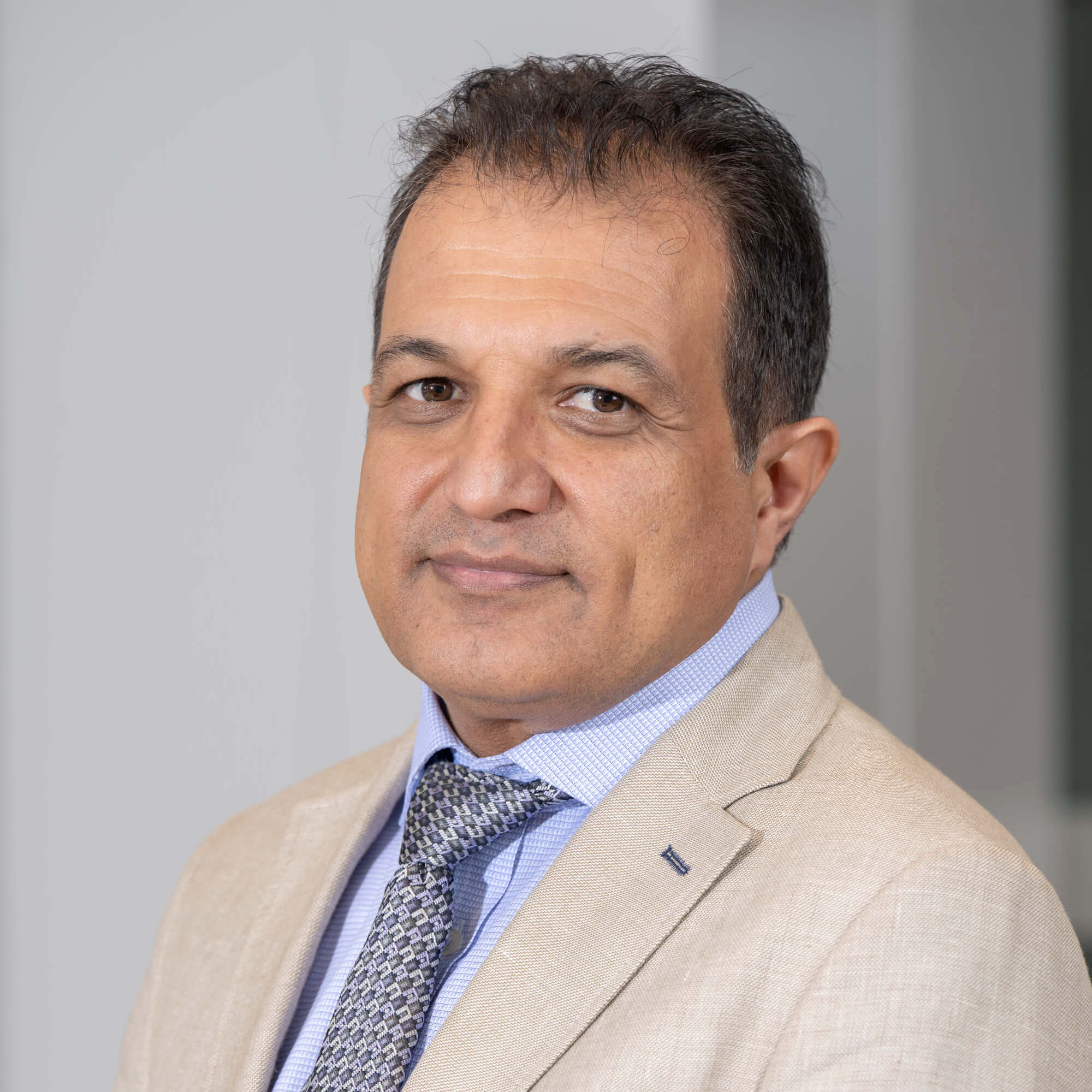
From 2008 to 2019, Tawab worked extensively in Afghanistan, Pakistan, and Tajikistan. He led a major multidonor-financed health project in Afghanistan, provided technical support to strengthen performance-based contracting and performance management systems. He contributed to the development of performance-based financing programs in Tajikistan and the contracting of NGOs in Pakistan. Prior to joining the World Bank, he served at the Ministry of Public Health of Afghanistan as a grant and contract management specialist and worked with both local and international NGOs.
With more than 23 years of experience, Tawab brings expertise in service delivery, performance-based financing, and third-party monitoring in low-income and fragile settings. He has established a strong track record of working with governments, development partners, and civil society to strengthen health systems and improve outcomes.

Prior to joining the GFF, Brendan spent eight years with MSI Reproductive Choices, leading private sector family planning and reproductive health service delivery, including four years with its Malawi affiliate, Banja La Mtsogolo. He began his career in eSwatini with the U.S. Peace Corps and the National Emergency Response Council on HIV and AIDS, supporting HIV prevention and impact mitigation efforts.
He holds a bachelor’s degree from St. Lawrence University and a master’s degree in development studies from University College Dublin.
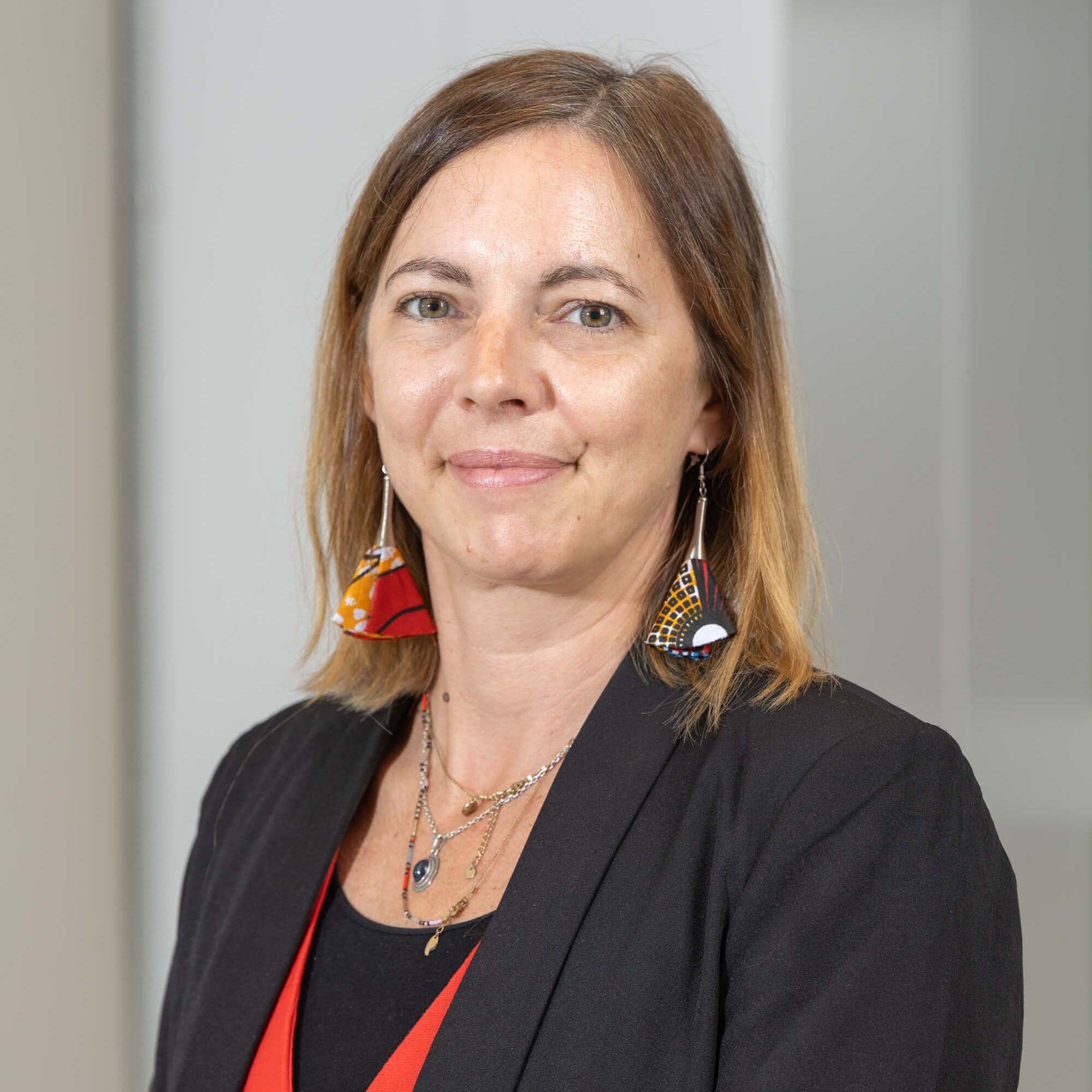
Before joining the GFF in 2023, Maud was based in Madagascar and led World Bank portfolios for Madagascar and Comoros, with operations on nutrition, pandemic preparedness, primary health care, COVID-19 response and health system strengthening. She has extensive operational and analytical experience in the Africa region (more than 15 years working for the World Bank), including on health financing, human resources for health, maternal, adolescent and child health, designing and implementing results-based financing schemes.
She is currently based in Paris, France.
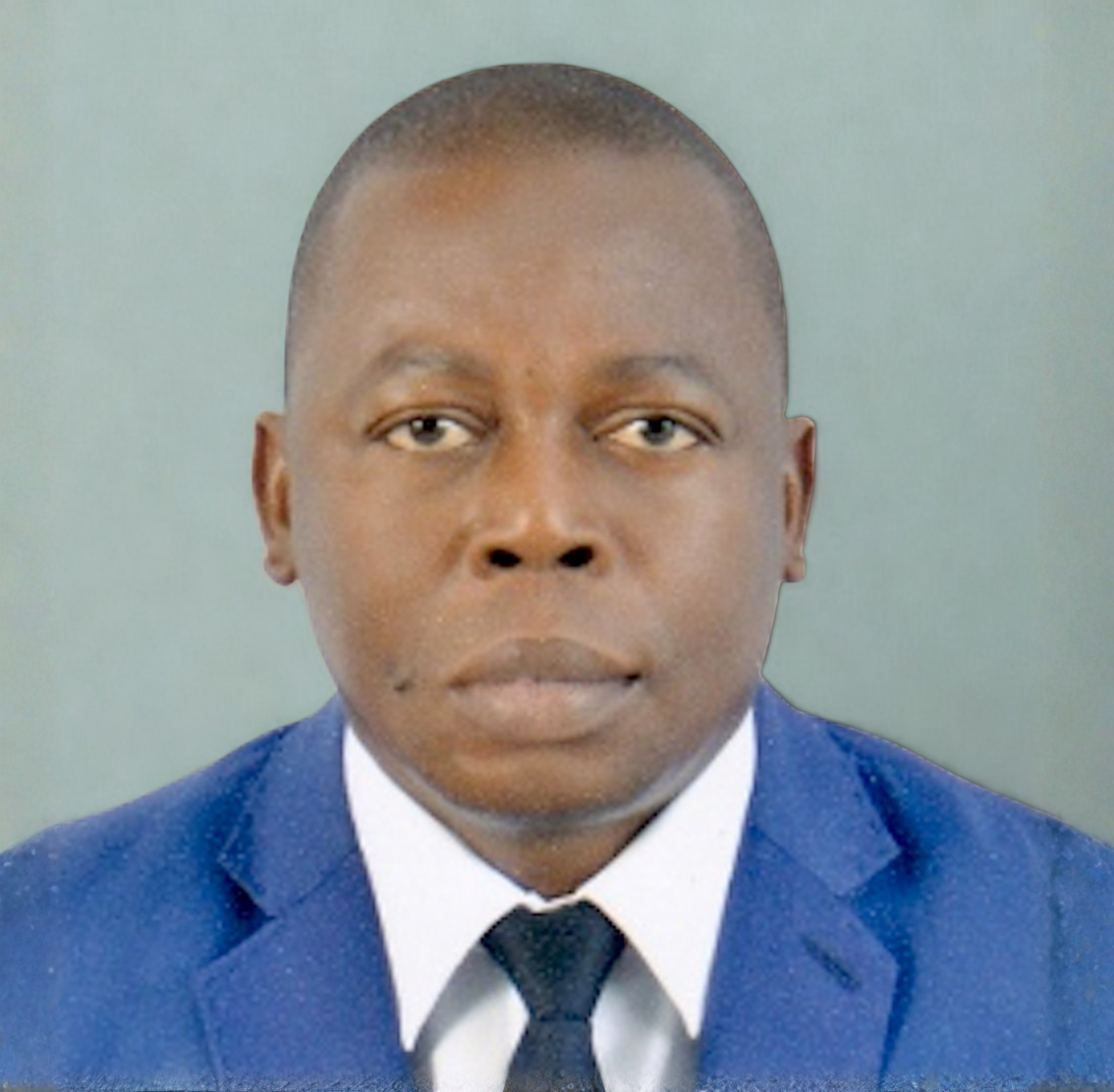
Since 2018, he has played a key role in the implementation of GFF processes in Côte d’Ivoire as a Country Coordinator. In this capacity, he has supported the government in preparing the national dialogue on health financing, coordinating technical and financial partners and aligning them with national health priorities, developing and implementing the investment case, preparing resource mapping and tracking health sector expenditures, as well as establishing the national platform and monitoring sector performance and reforms.
Prior to this, he worked within the cabinet of the Ministry of Health of Côte d’Ivoire, where he was responsible for strategic analysis of dossiers, preparation of high-level meetings, and follow-up on decisions, directly contributing to sector governance and coordination of health activities at the central level. His experience within the minister’s cabinet has provided him with a strong understanding of governance issues, institutional coordination, and high-level strategic decision-making processes.
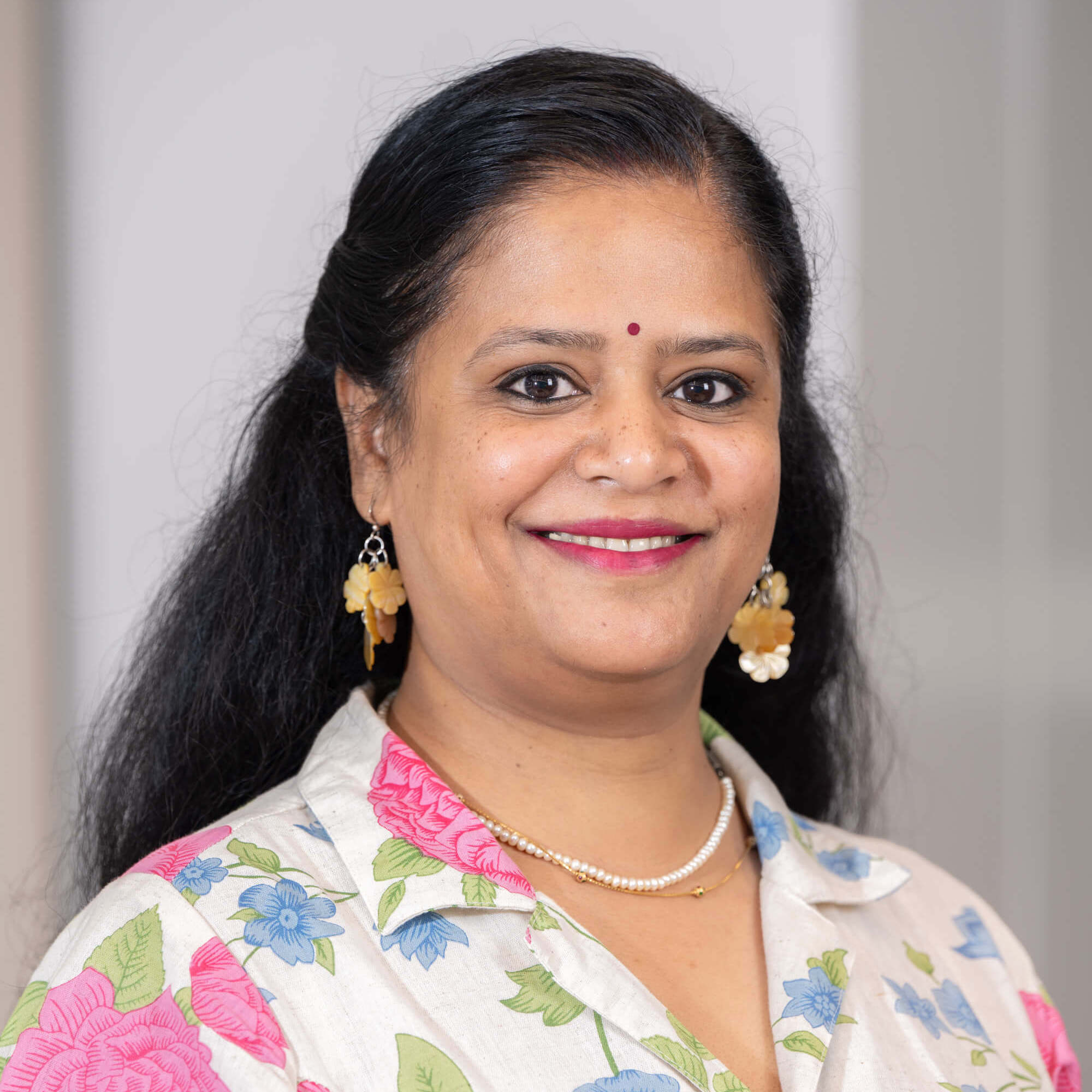
She brings over 20 years of experience with global development institutions, including the World Bank in India — where she worked across the environment team, general administration, and the country management unit — supporting operations, procurement, and high-level visits. Earlier in her career, she led recruitment for 14 UN agencies under the UNDP umbrella in India.
She holds an MBA in human resources and a bachelor’s degree in commerce.
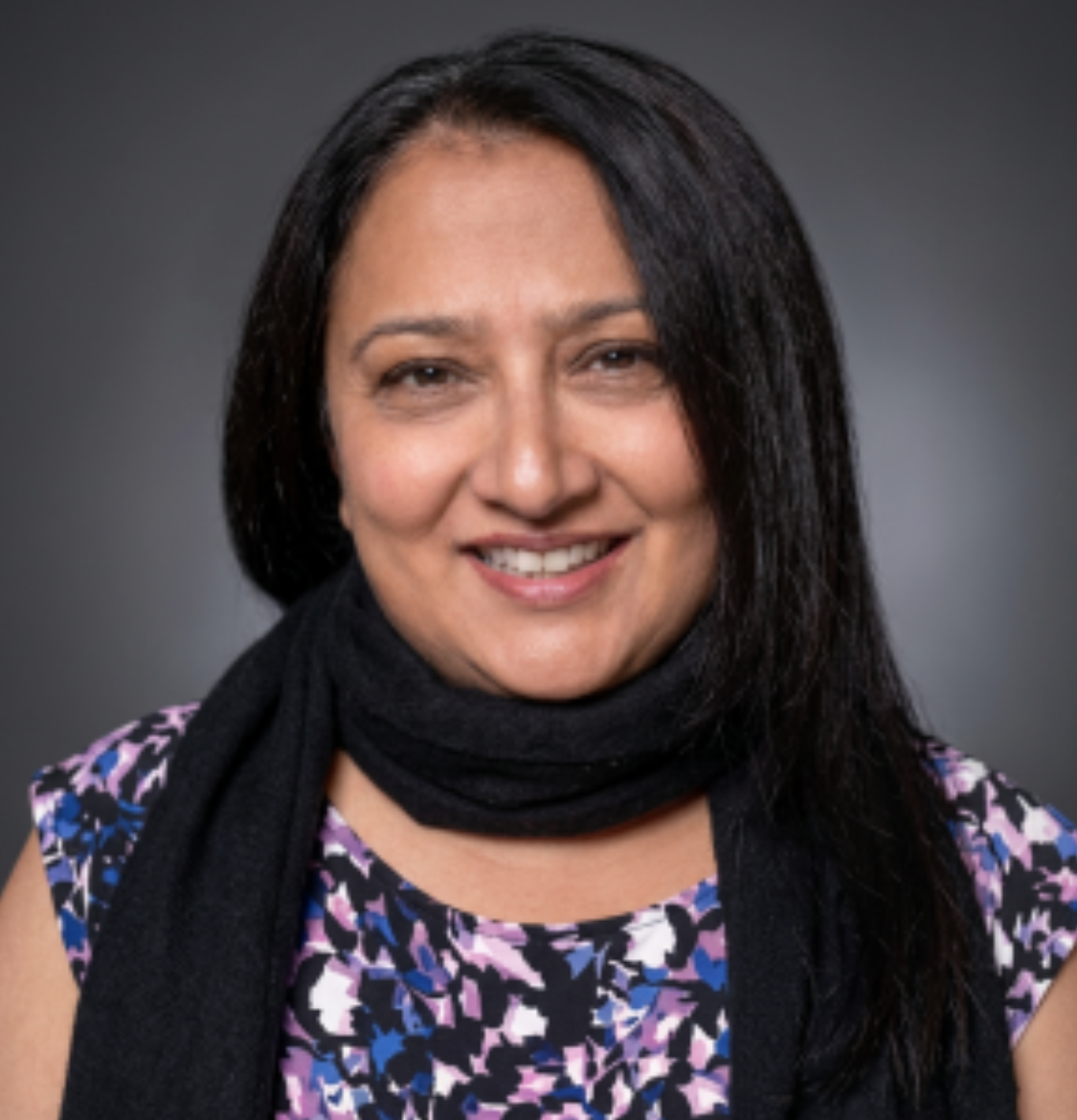
Prior to that, she held senior technical advisory positions at USAID headquarters in newborn health, in Ethiopia as the child health lead and South Africa focused on pediatric and adolescent HIV prevention, care and treatment. Prior to USAID, she spent three years as a working pediatrician in Lesotho with Baylor College of Medicine and worked at HQ level for Elizabeth Glaser Pediatric AIDS Foundation and UNICEF.
Smita has experience in senior management as well as in several elements of RMNCAH, health system resilience, pharmaceutical systems, community health and multisectoral programming.

Ed is a supply chain expert and trusted advisor to governments and international donors in public health commodity security and medicines access. In addition to a wide range of consulting projects across Africa and a secondment to the NDoH in South Africa, he was on the founding teams of Coca-Cola’s Project Last Mile and the Africa Resource Centre — Africa’s Public Health Supply Chain Institution. Ed has also held regional and technical director roles for consultancies and NGOs.
Ed holds a master’s degree in aerospace engineering from Bristol University and a supply chain micromasters credential from MIT.

In her current role, Nondini supports the in-country engagement of the GFF portfolio, working closely with World Bank task teams, government counterparts, and development partners to support the implementation of GFF co-financed projects and associated analytics. She plays a central role in aligning national priorities and financing across RMNCAH-N and emerging health areas, while advancing the GFF investment case through strengthened collaboration among government institutions, UN agencies, civil society, and donors. Her work includes supporting program implementation, results monitoring, and policy dialogue to enhance the effectiveness and sustainability of health investments.
Prior to joining the World Bank, she held senior technical and advisory roles at Plan International Bangladesh, contributing to strategic planning, program implementation, and technical oversight of large-scale SRHR and adolescent health initiatives. She also worked with UCEP Bangladesh and the Population Council on program implementation, evaluation, and capacity building.
She is currently pursuing a master of public health (MPH) degree at North South University and holds a diploma in sexual and reproductive health and rights (SRHR) from Lund University, Sweden, along with a master’s degree in anthropology from the University of Dhaka. Nondini is also an accomplished author and contributor to several publications on health systems, public health education, and SRHR in Bangladesh. Her work reflects a commitment to advancing equitable, resilient health systems through evidence-based approaches.
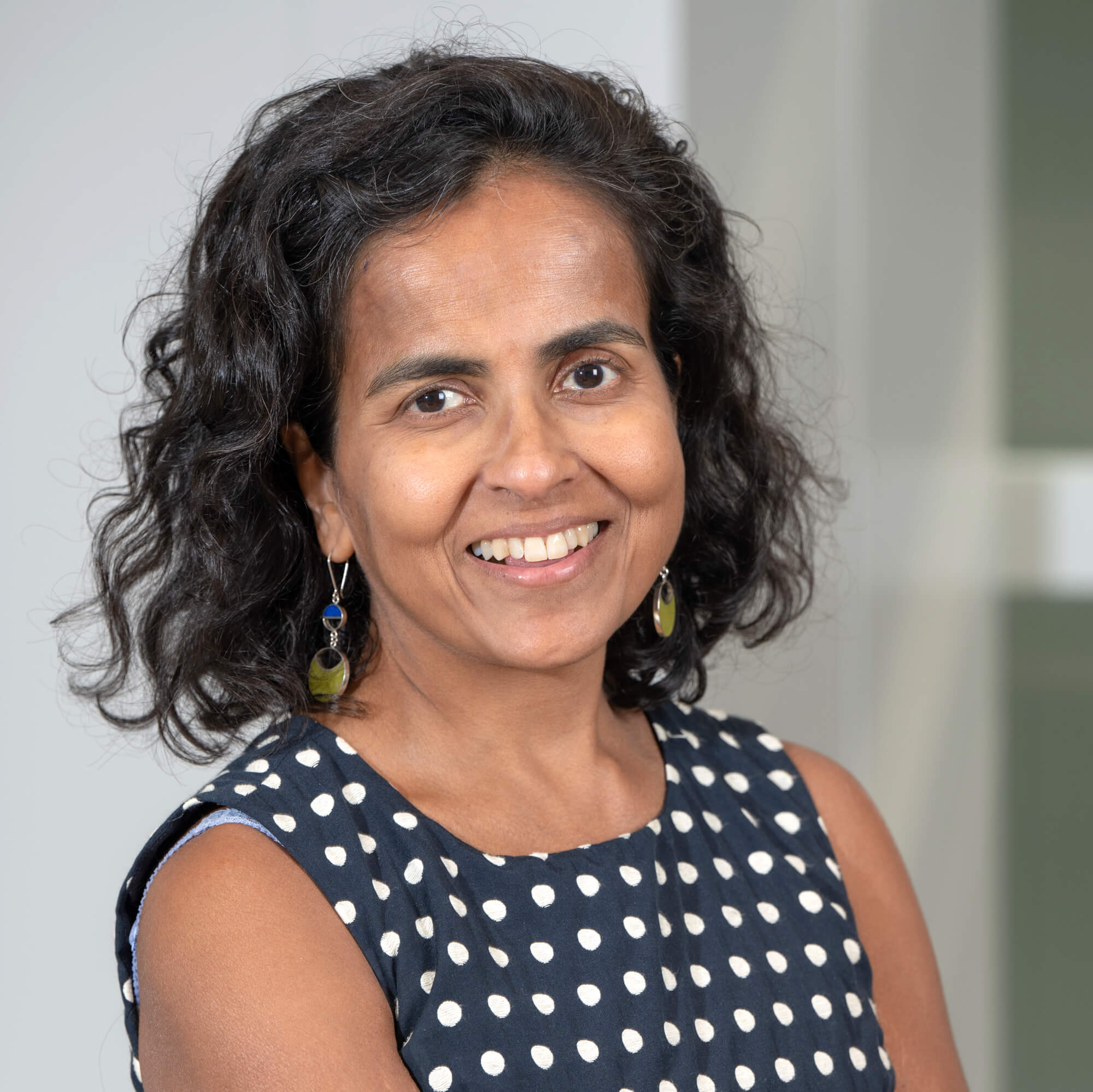
Previously, she worked as a family planning and SRH specialist and demographer in the World Bank’s West and Central Africa unit, and has held senior roles with USAID, PSI/Greenstar, Aga Khan Foundation, and Doctors of the World/USA. She began her career as an epidemiologist with the Chicago Department of Public Health during the early AIDS epidemic.
She holds a PhD in population and health/demography from the Johns Hopkins University and an MPH in sociomedical sciences from Columbia University.
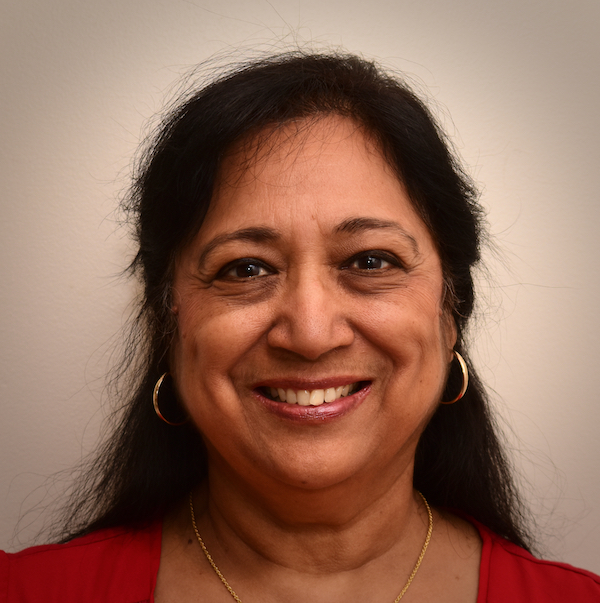
A recognized leader on gender equality, reproductive health, and adolescent rights, Anju headed UNICEF’s work on gender equality, leading the development and implementation of UNICEF’s innovative and highly effective Gender Action Plan. She has been a leader in shaping the SDG target and global movement to end child marriage, in establishing the multidonor, multicountry global program to end child marriage, and in shaping the research agenda on child marriage and adolescent health.
Previously at the International Center for Research on Women (ICRW), Anju led the design and impact evaluations of adolescent sexual and reproductive health programs, the keynote paper for the landmark 2007 Women Deliver conference, and the “Fertility and Empowerment Network.”
She holds a PhD in demography from the University of Michigan.
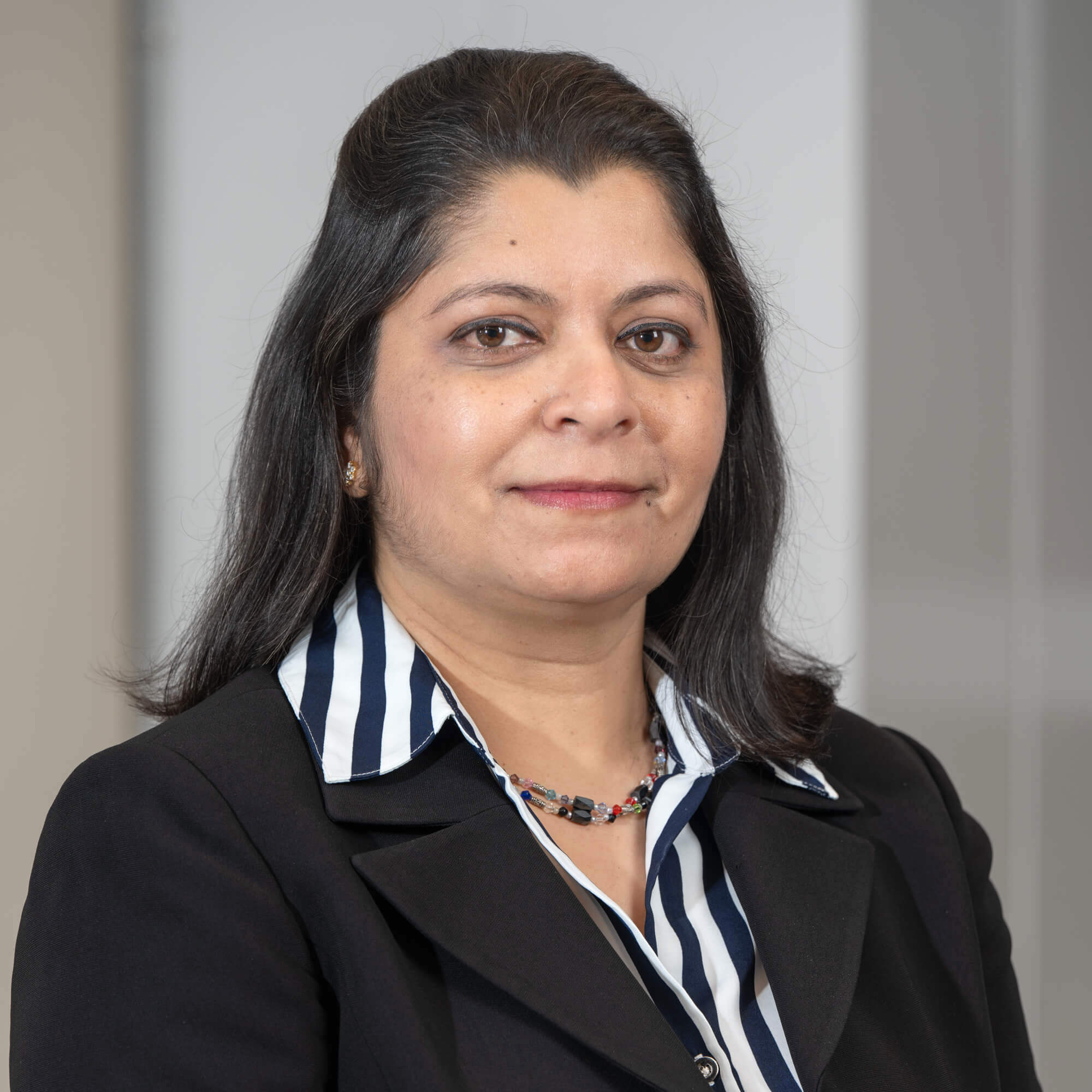
She holds a master’s degree in international relations.
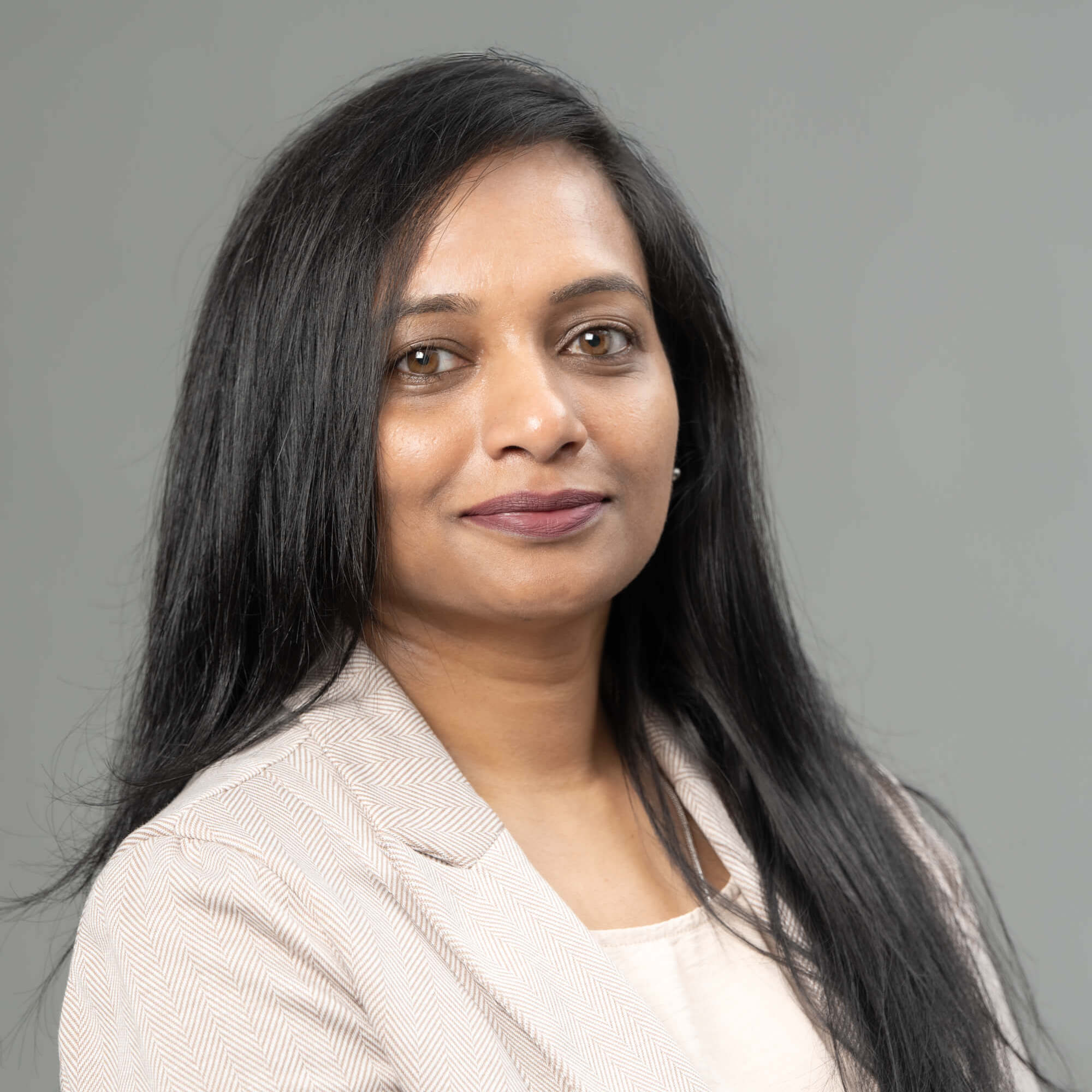
She joined the GFF Secretariat in 2018, where she has played a key role in trust fund management and administration, working across financial and operational management, portfolio monitoring, donor engagement, and quality assurance. She collaborates closely with technical teams and colleagues across the Bank to strengthen operational effectiveness and support the delivery of GFF’s priorities.
Prior to joining GFF, Vineetha spent 10 years with the World Bank’s Trust Funds division in Chennai, building deep expertise in trust fund operations and financial reporting. She also worked with the Trust Funds Academy to deliver training and knowledge support to colleagues managing trust funds and umbrella programs across the Bank.
Outside of work, Vineetha enjoys spending time with family, traveling, and exploring new places and cultures.
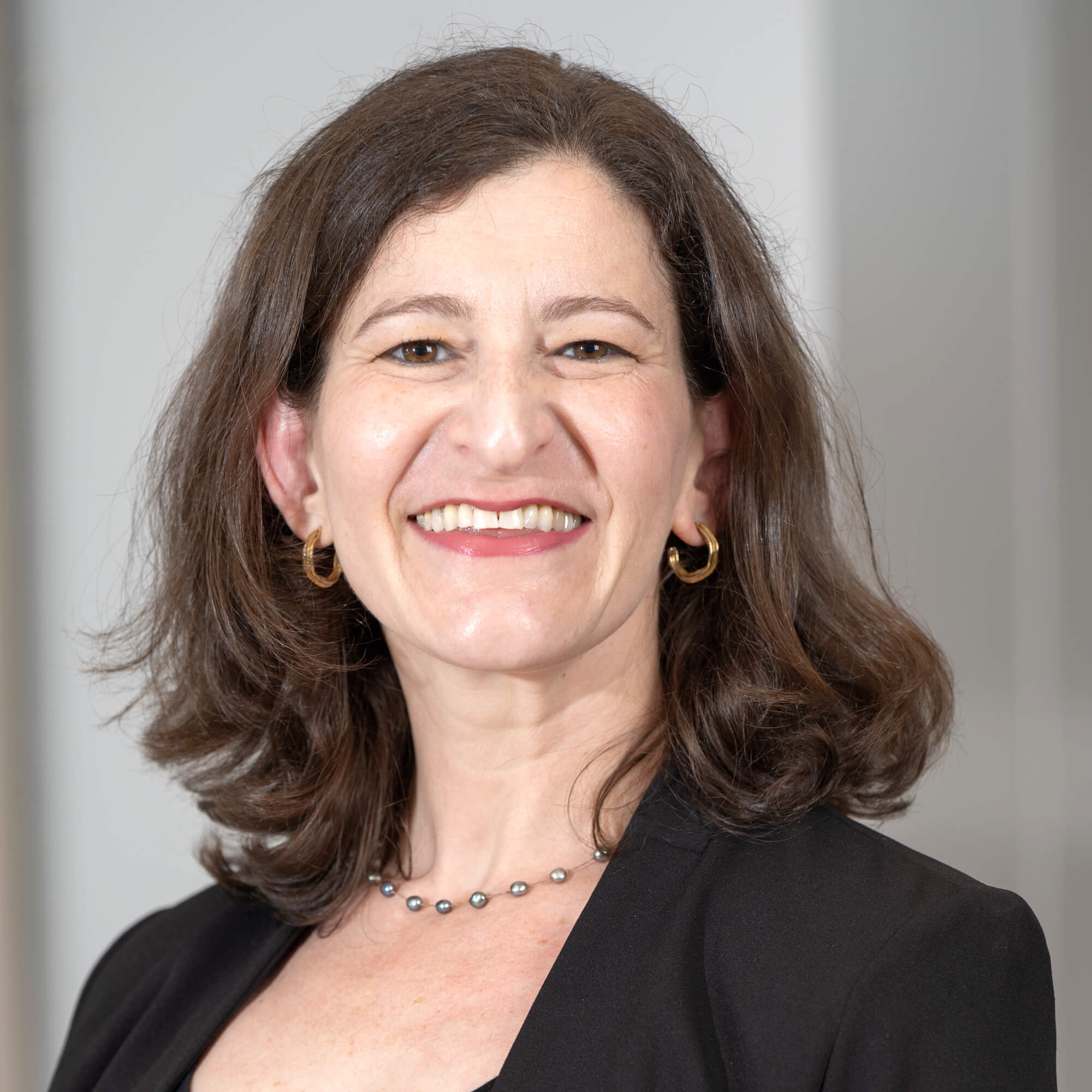
Prior to joining the GFF, Lior served as director of health policy and communication at the International Rescue Committee and previously as program director at Results for Development. She brings over 15 years of experience in gender, adolescence, and health systems strengthening, with a particular focus on West and Central Africa.
She holds a doctorate of public health from the George Washington University.
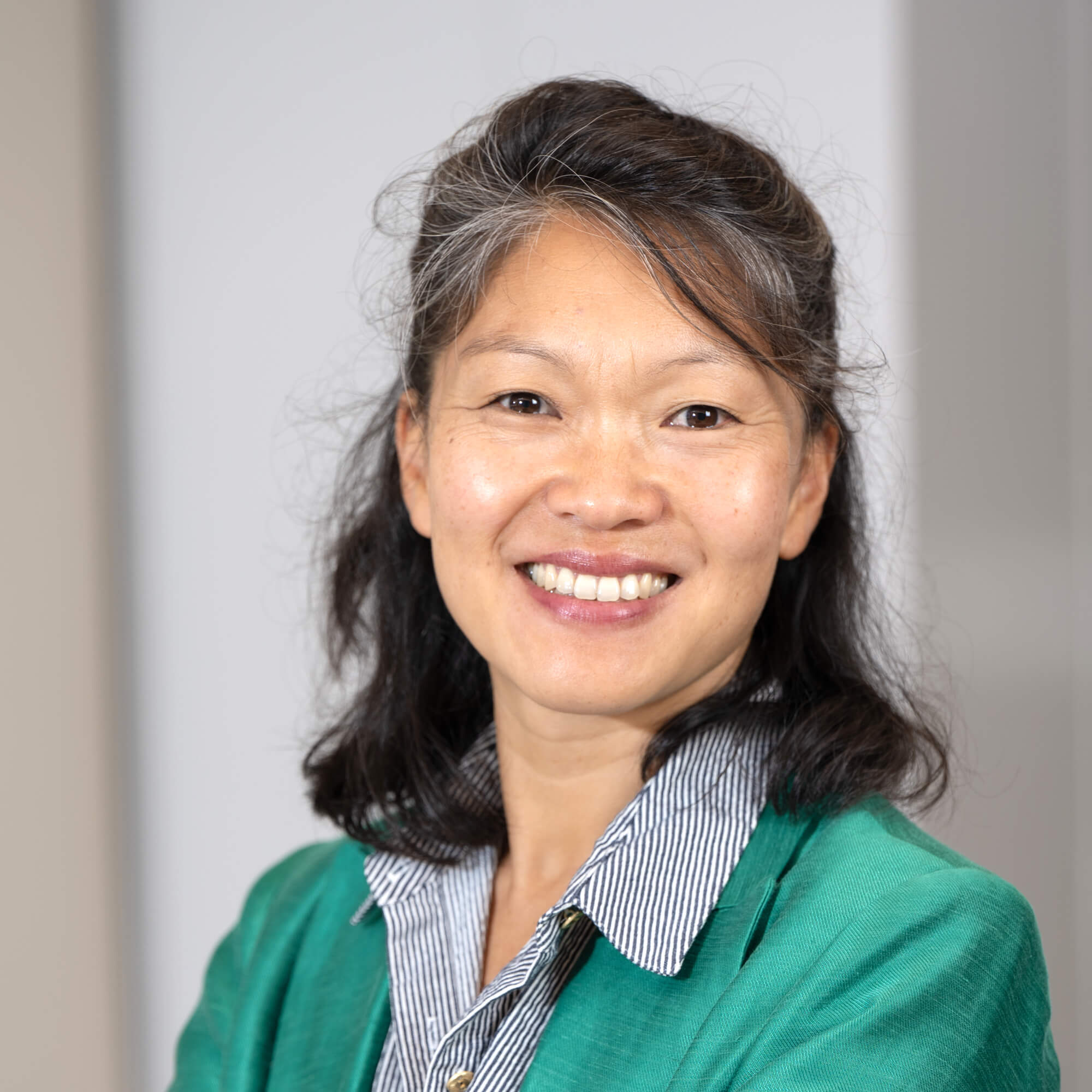
Before joining the GFF, she served as senior advisor to the French ambassador for global health at the Ministry of Foreign Affairs, acting as chief of staff and leading work on governance and strategy in multilateral funds (Global Fund, Unitaid, UNAIDS, Pandemic Fund), the COVID-19 response, SRHR, gender equality in health, and France’s current global health strategy. Earlier, she spent a decade with the City of Paris, managing partnerships with African cities and leading health cooperation projects.
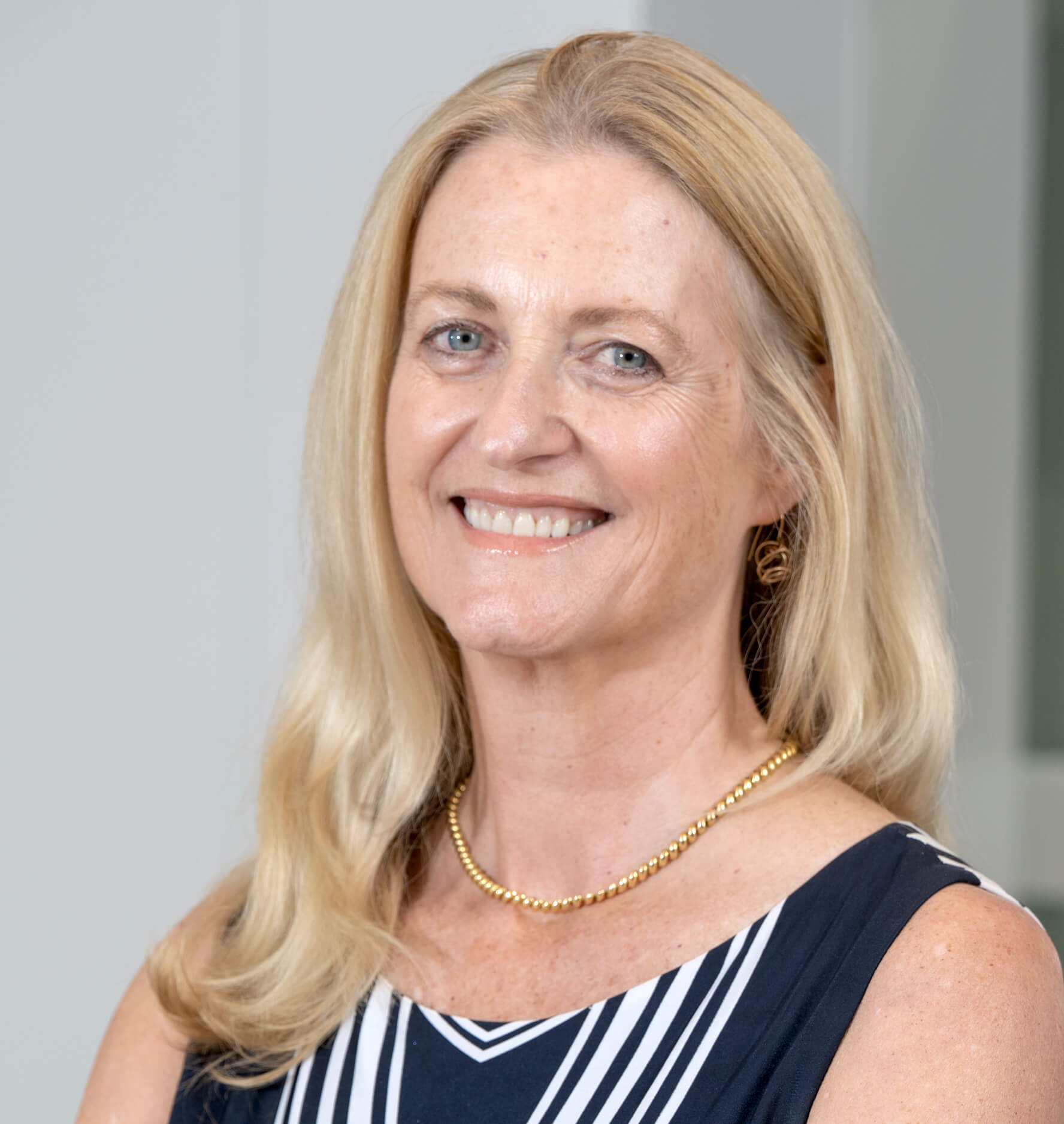
Prior to joining the GFF, Alison was an associate professor at the University of Melbourne, Australia, where she led the Maternal, Sexual & Reproductive Health Unit at the Nossal Institute for Global Health.
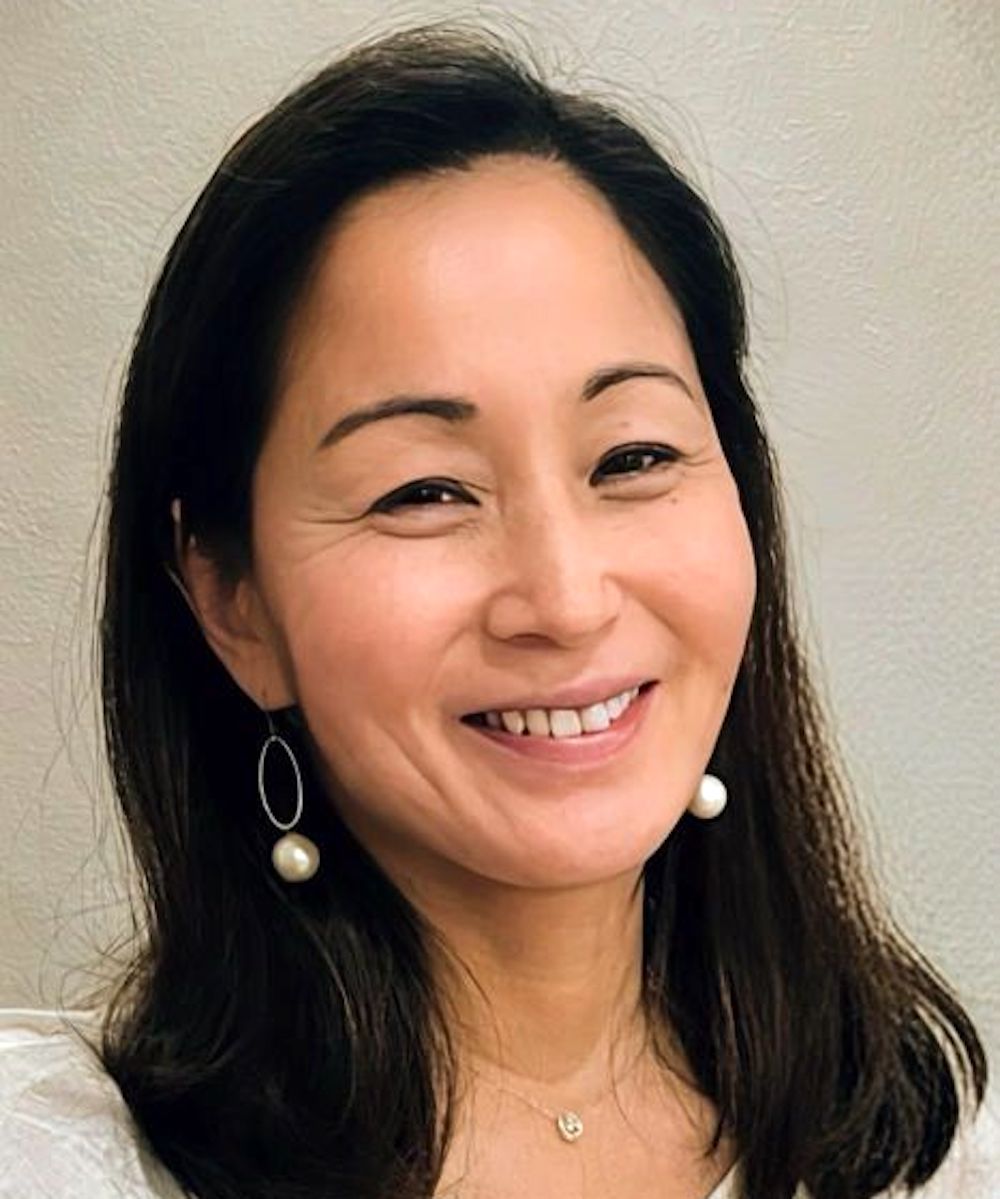
Prior to joining the GFF, Tomo led World Bank health portfolios across West and Central Africa and East Asia and the Pacific, including in fragile and conflict-affected settings. With more than 20 years of experience in global health and development, she brings extensive expertise in health systems strengthening, primary health care, service delivery, and results-based financing, with a strong background in both operational implementation and analytical work.
Before joining the World Bank, Tomo worked with a Japanese government agency and the United Nations in Tokyo and Geneva, where she managed development assistance programs and international partnerships.
Tomo holds a master of arts in international relations and international development from Johns Hopkins University and a master of science in public health from the London School of Hygiene & Tropical Medicine.
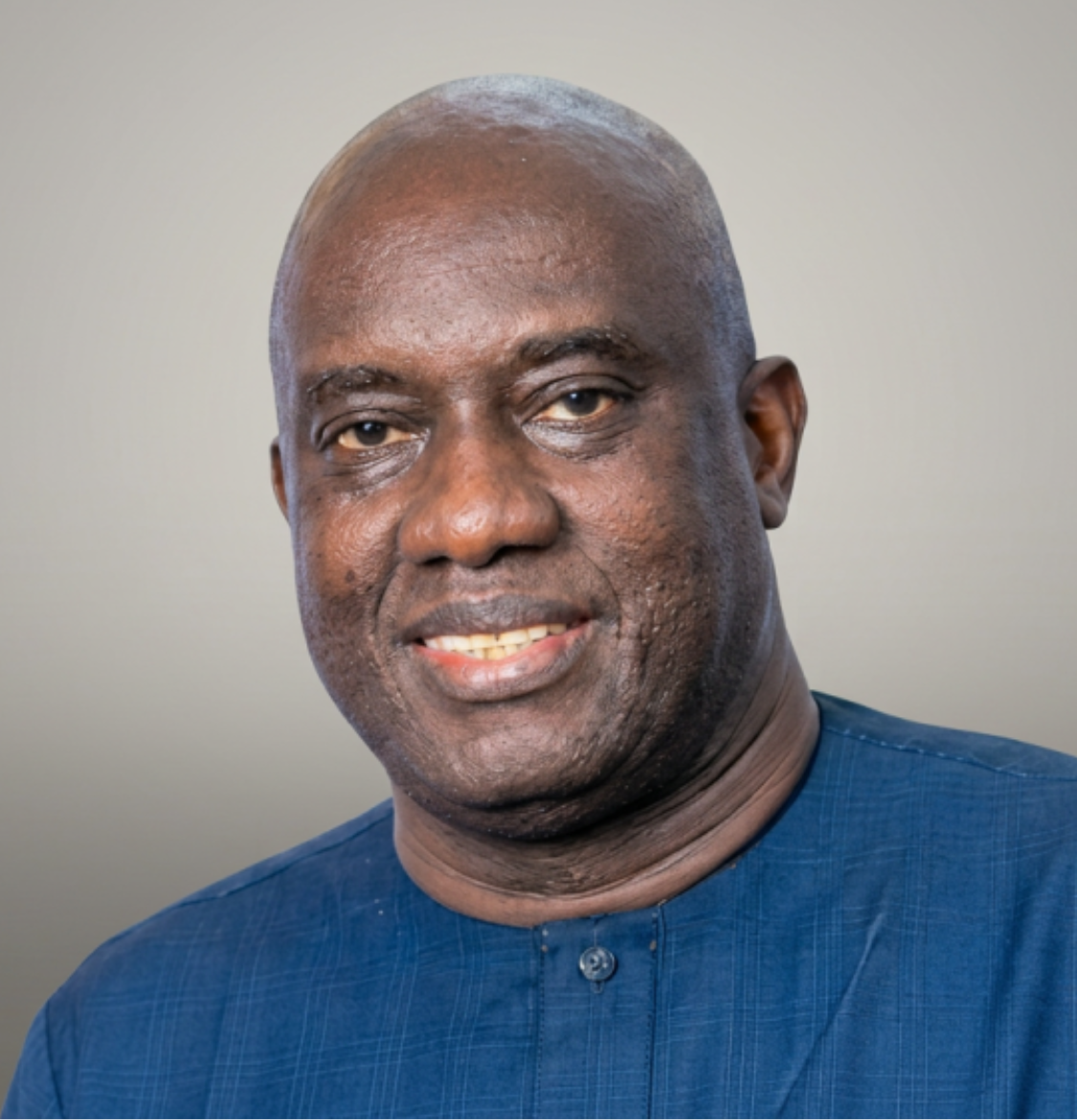
As a senior nutrition specialist within Global Financing Facility (GFF) Secretariat at World Bank, Biram leads the development and oversee the quality of the GFF engagement in nutrition. He provides technical assistance to client countries and World Bank task teams on the integration of nutrition into GFF investment cases, health systems and financing reforms, and associated maternal, child and adolescent health programs and platforms.
Prior to joining GFF Secretariat, Biram worked with UNICEF, as chief of nutrition in Somalia, South Sudan, Tanzania, and Burkina Faso between 2008 and 2023. As the national coordinator of Senegal's National Committee for the Fight Against Malnutrition in the Office of the Prime Minister (2001–2008), Biram supported the formulation of a national multisectoral nutrition policy and managed the Nutrition Enhancement Program. Biram was also country director in Cameroon for the humanitarian organization Action Against Hunger between 1999 and 2001.
Biram holds a PhD in nutrition from Denis Diderot University (Paris, France), a master’s in public health from Royal Tropical Institute (KIT, Amsterdam, Netherlands) and a MSc in the analysis of food policies and practices from Pantheon Sorbonne University (Paris, France). He is a certified strategy planning professional (SPP) from the International Association of Strategy Professionals.

Previously, Rachel was an independent consultant and health systems researcher, working with the World Health Organization, Global Fund, UNICEF, John Snow Inc., and other organizations.
She has a PhD in health systems from the Johns Hopkins Bloomberg School of Public Health and an MA in African studies from Stanford University.
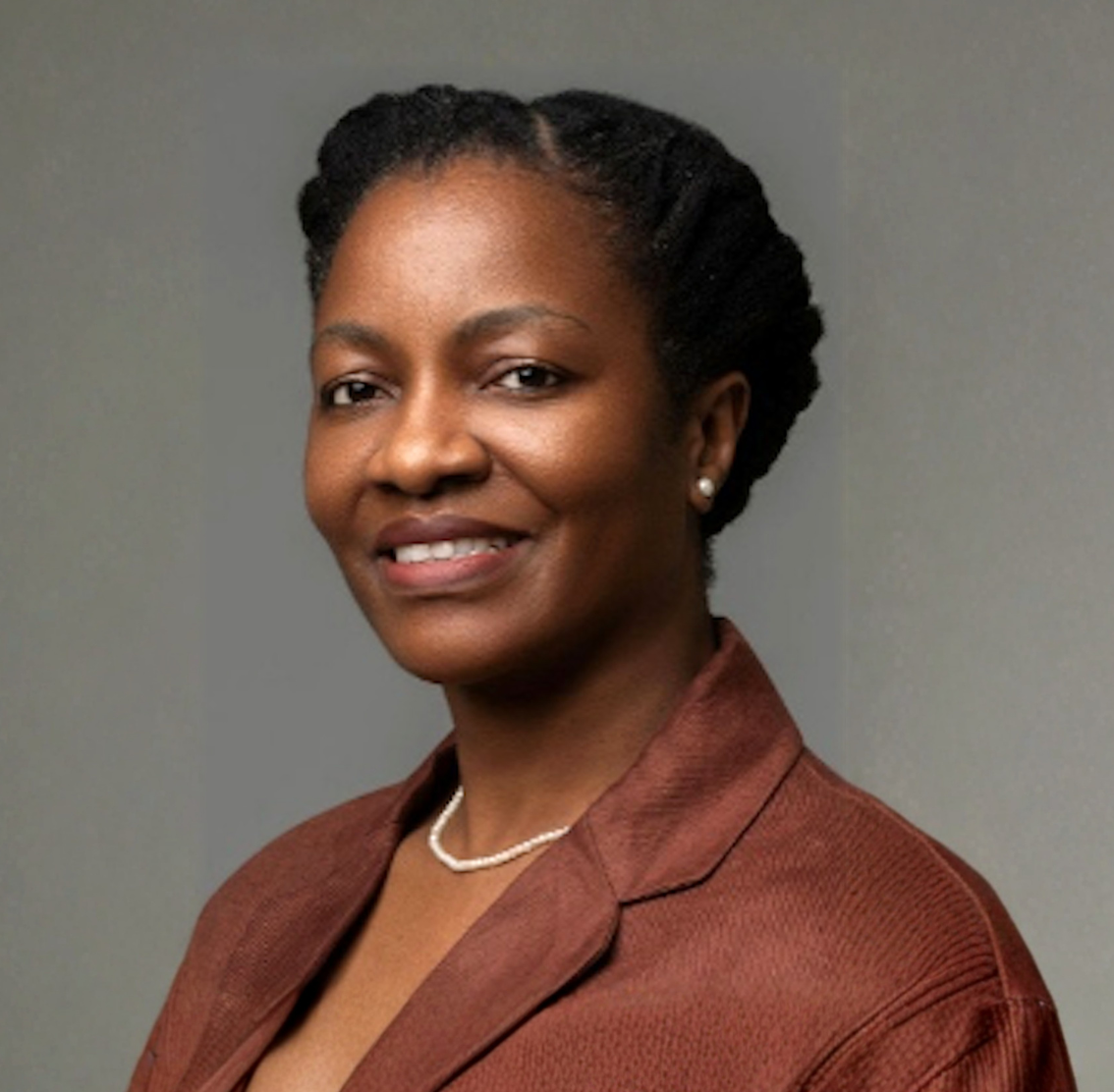
Dulce has over 11 years of experience with USAID in Mozambique, where she served in senior technical and leadership roles. She most recently served as the maternal and child health and family planning team lead at USAID Mozambique, managing a large RMNCAH-N portfolio and leading the design and oversight of major bilateral programs in maternal, newborn and child health, nutrition, and immunization. In this role, she worked closely with the Ministry of Health and development partners to align investments with national priorities and improve service delivery.
She has contributed to key national strategies and initiatives, including the development of the GFF investment case, and has been actively engaged in national coordination platforms and technical working groups. Her experience includes supporting performance monitoring, facilitating partner alignment, and strengthening the link between financing and results. She began her public health career in academia, leading implementation research to inform policy and program design in public health and nutrition.
Most recently, she served as senior child and newborn technical advisor at FHI 360 in Mozambique and has been appointed as GFF country coordinator for Mozambique.
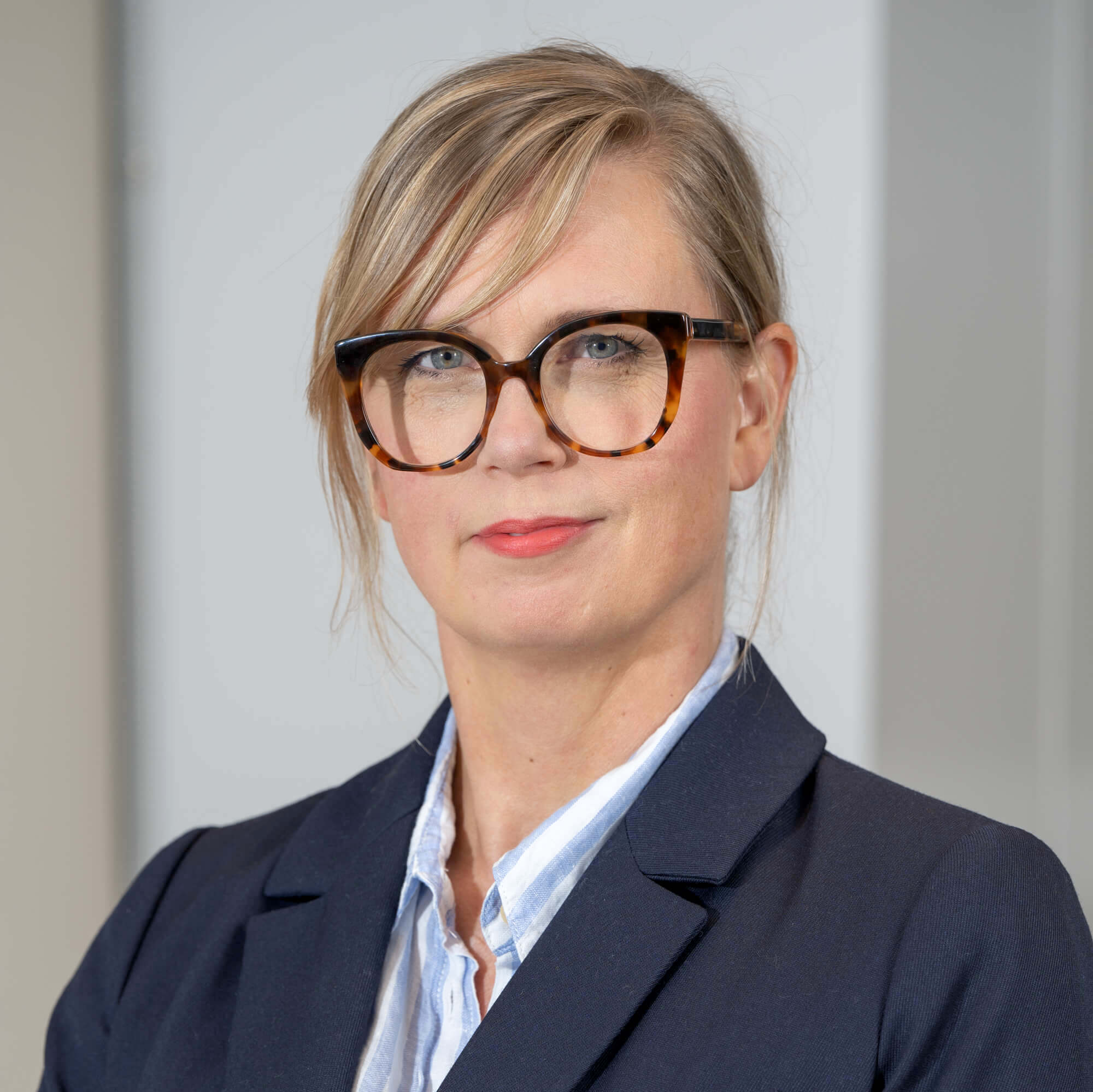
Prior to joining the GFF, she worked in the region of West and Central Africa with UNICEF on girls’ education, and on gender equality with UNFPA in Niger scaling up initiatives such as École des Maris. She also led SRHR advocacy for the SDGs with the International Planned Parenthood Federation.
She holds a master’s degree in international development from Sorbonne University with a bachelor’s degree in anthropology from the University of Copenhagen.

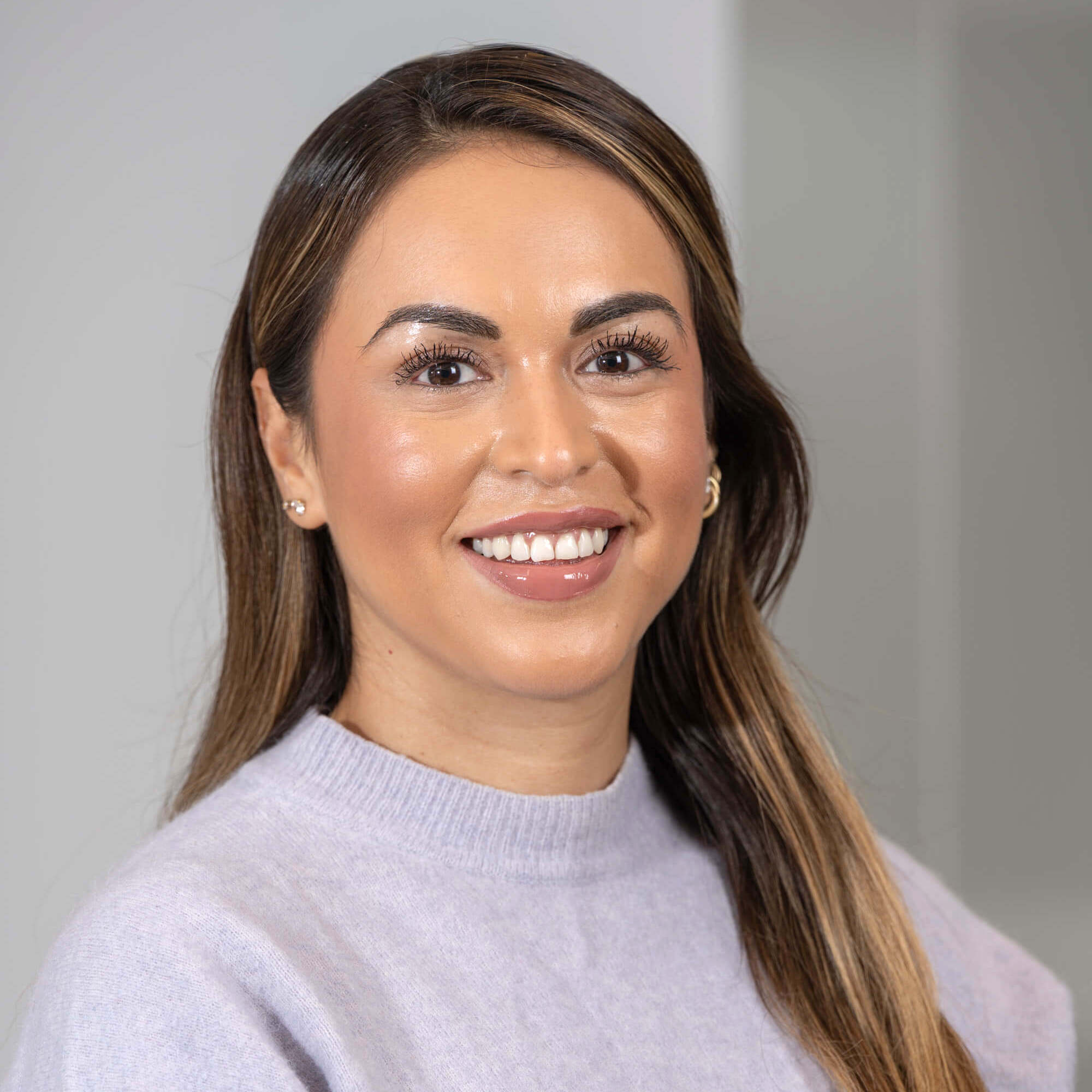
Prior to this role, Mariel worked with the United Nations Development Programme on resource mobilization strategies with multilateral development banks and contributed to the Every Woman Every Child campaign to strengthen multistakeholder collaboration in global health. She has also monitored multilateral development projects, focusing on environmental and social safeguards and analyzing the impacts of COVID-19 on maternal, child, and adolescent health funding in Africa and Latin America. Earlier in her career, Mariel held roles in investment advisory, corporate social responsibility, and global affairs.
She holds an MPA in international policy from New York University.
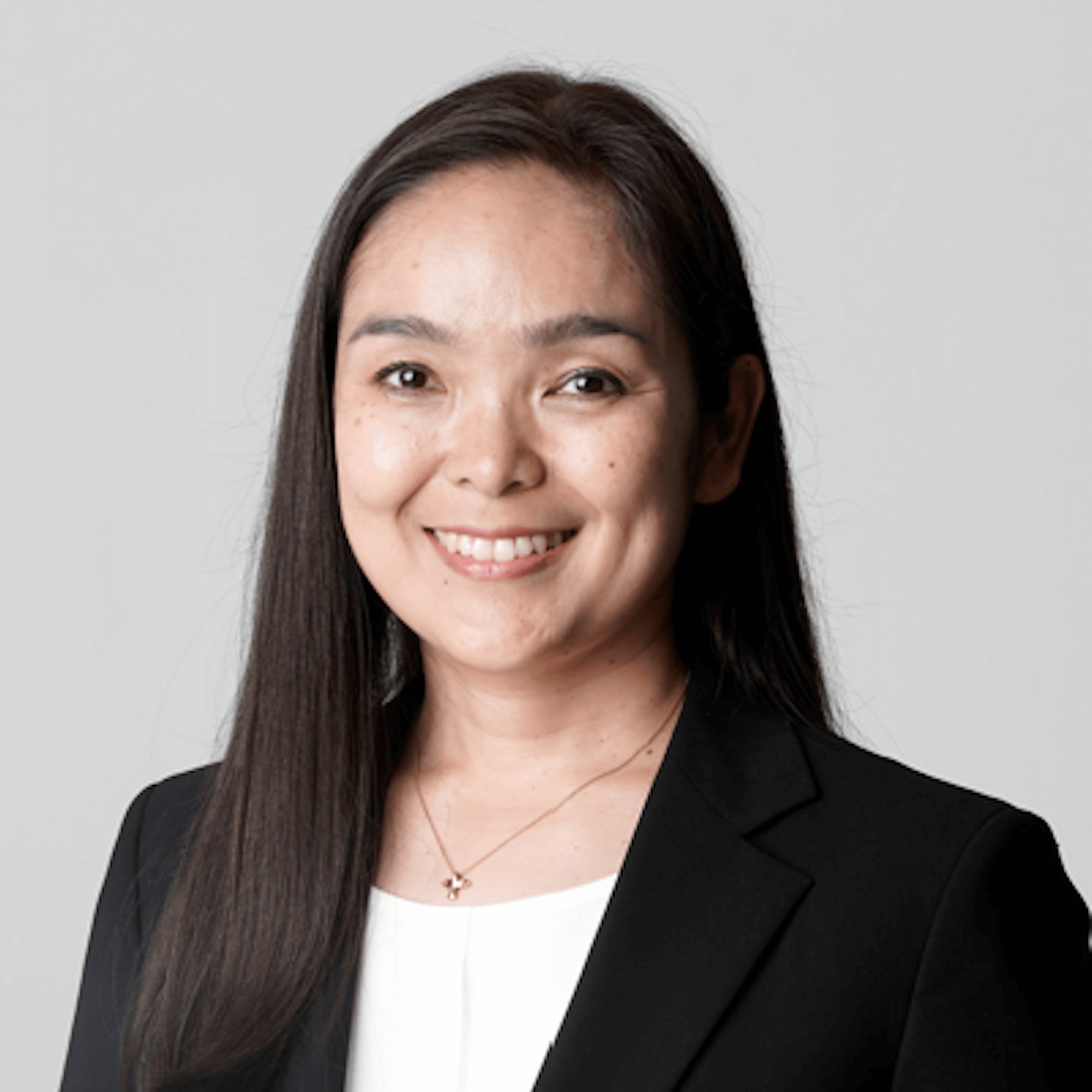
From 2021 to 2026, Akiko served as Social and Behaviour Change (SBC) Manager at UNICEF Kenya, where her team earned a UNICEF staff award for their innovative, cross-sectoral efforts in delivering life-saving vaccines in collaboration with health and supply teams. During her tenure, she co-led UNICEF Kenya’s Climate Change and Early Childhood Development (ECD) taskforces, championing integrated approaches to address complex challenges.
Between 2013 and 2018, Akiko led groundbreaking initiatives in Rwanda, where she coordinated multiple government ministries to develop the National Social and Behaviour Change Communication Strategy for Integrated ECD, Nutrition, and WASH (2018–2024). This strategy provided a framework to reduce stunting and improve child development outcomes through evidence-based messaging and coordinated stakeholder engagement. She also partnered with the Rwanda Broadcasting Agency to launch Itetero, the country's first children's media program, fostering positive interaction between young children and their parents.
Akiko holds two master’s degrees in public health and intercultural relations, and brings extensive expertise in building government capacity, driving community engagement, and responding to disease outbreaks. She is deeply committed to leveraging multisectoral collaboration to drive sustainable results and narrow the equity gap.

Previously, Rachel led research in the rural Ashanti region of Ghana on the feasibility of implementing community-based health insurance and has contributed to research on target-setting for Salud Mesoamerica, a maternal and child health initiative based at the Inter-American Development Bank. Rachel has also contributed to NAM-funded study related to maternal morbidity and mortality in refugee women. She holds both an MHA and MPA from Cornell University’s Brooks School of Public Policy.

She provides technical support to key Ministry of Health units and collaborates with other line ministries, including the Ministry of Education, Ministry of Gender and Social Protection; civil society organizations, and the World Bank task team to ensure effective alignment and delivery of health programs.
Prior to joining the GFF, she worked for seven years as a program officer with the Ministry of Health project implementation unit, supporting major World Bank–funded health projects including the World Bank-GFF co-financed health systems strengthening project (HSSP), and institutional foundation to improve services for health (IFISH) projects and other projects like the ebola emergency response project (EERP), the regional disease surveillance systems enhancement project (REDISSE), and the COVID 19 emergency health response project. Ms. Quaye has also held leadership and clinical roles across Liberia’s health sector.
She holds a master’s degree in public health from the University of Ghana and a bachelor of science in nursing from the Cuttington University, with additional trainings in monitoring and evaluation, and results based financing.
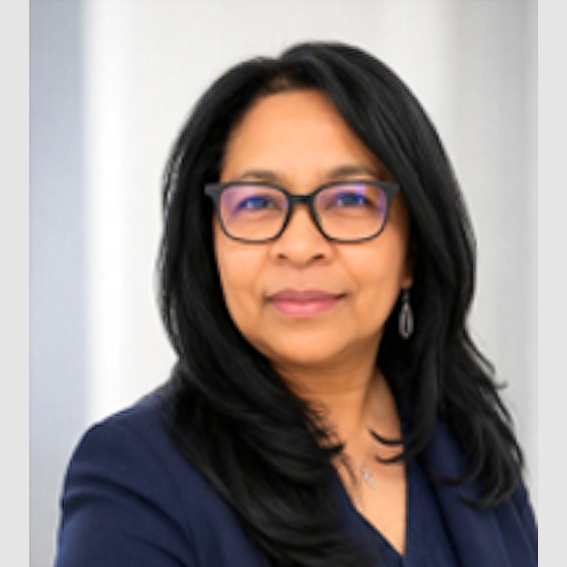
Before her current role as the GFF country team lead (CTL) for Haiti, Niger and Rwanda, she has served as task team leader (TTL) and co-TTL in Africa Eastern and Southern (Madagascar, Comoros, Burundi), Africa Western and Central Regions (Togo). She has led and supported IDA and trust funded operations, including operations focusing on maternal, newborn, child, and adolescent health (MNCAH), nutrition, early childhood development, pandemic preparedness and responses, COVID-19 response, and universal health coverage.
She also led the quality assurance team for her HNP unit across 13 AFW countries (Côte d’Ivoire, Mali and Senegal CMUs), providing operational support, guidance on lending operations, and oversight of portfolio and trust fund monitoring.
Based in Washington, DC, Vo is a medical doctor trained at the Faculty of Medicine in Antananarivo, with additional certified training in public health, management and leadership, and evidence-based social marketing.
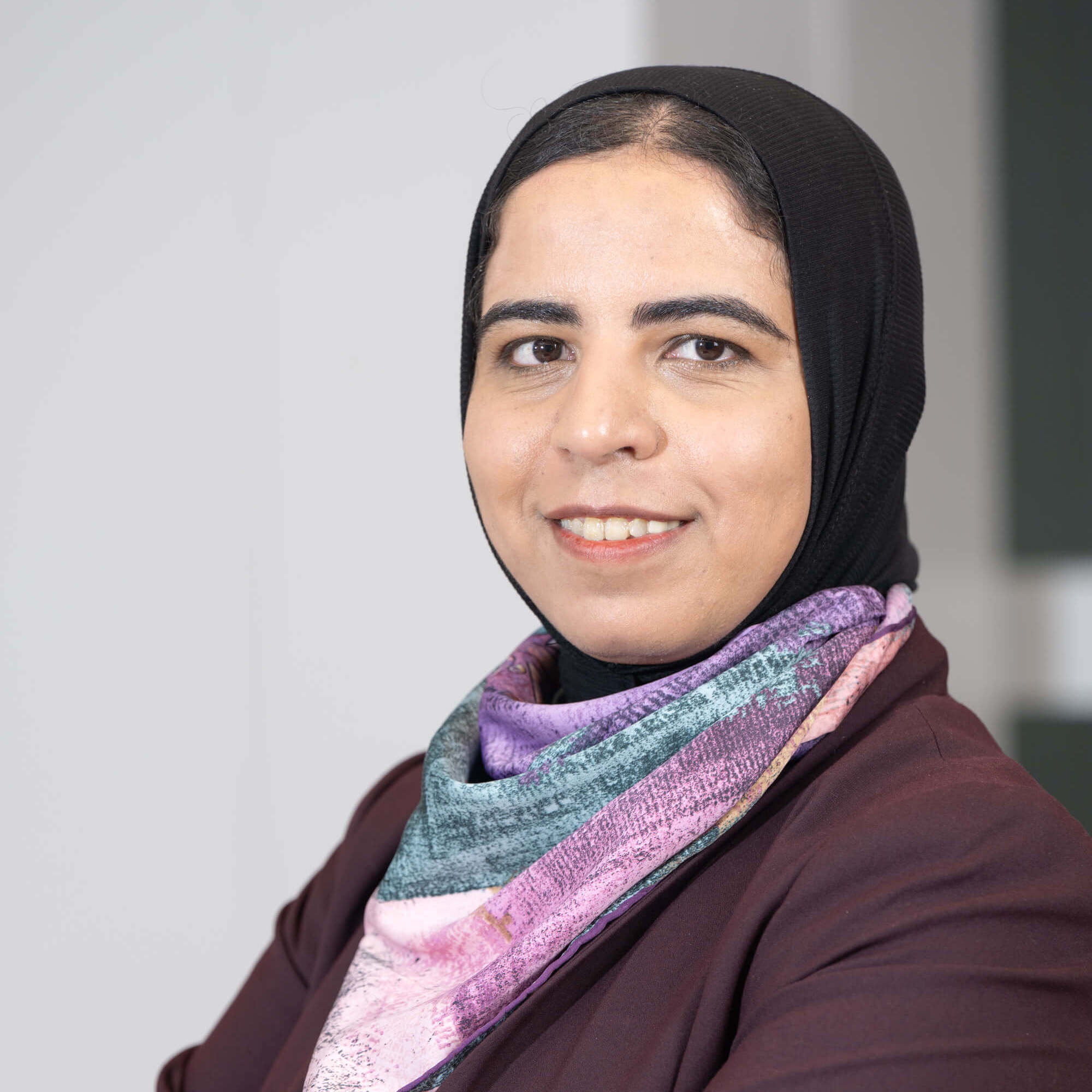
Previously, she led analytic work for the primary health care performance initiative and contributed to cross-country assessments and dashboards to inform policy dialogue. She also worked with Doctors Without Borders as an epidemiologist and at the Johns Hopkins University on health system quality and adaptation of monitoring approaches in humanitarian contexts.
She holds a PhD in international health systems and dual master’s degrees in environmental health and occupational medicine. She specializes in leveraging routine data systems to inform equitable health investments.
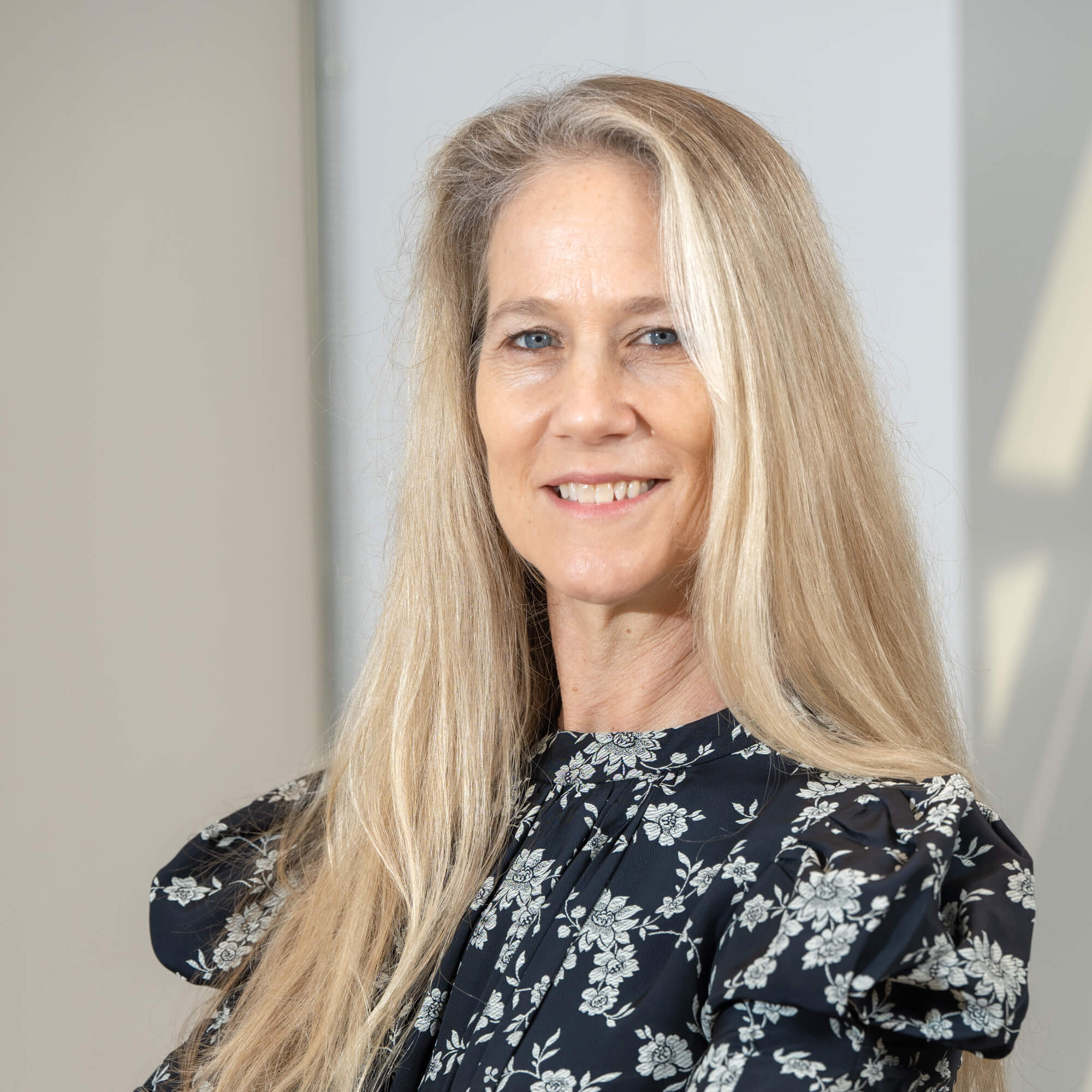
Before joining UNICEF in 2018, she worked at Johns Hopkins Bloomberg School of Public Health as associate scientist and as deputy director of Countdown to 2030. She brings expertise in policy analysis, monitoring and evaluation, and mixed methods research.
She holds a PhD in sociology, as well as master's degrees in public health, global policy, and sociology.
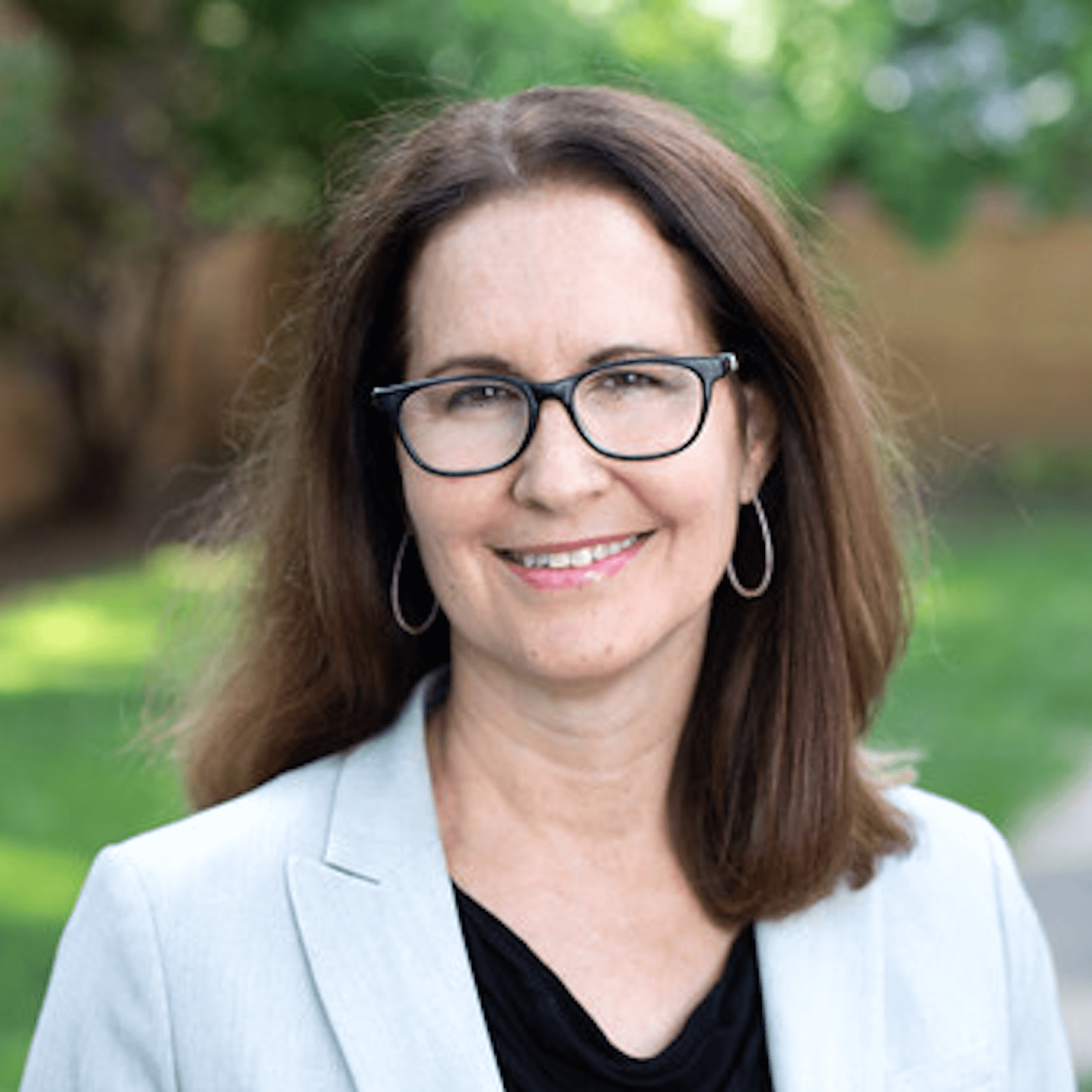
In earlier roles, Carolyn was head of global civil society engagement for the WBG, a co-founder and managing director of the U.S. Global Leadership Coalition (USGLC), legislative director for InterAction, and acting director of the U.S. Senate Foreign Relations Subcommittee on Africa. Carolyn is currently a non-resident fellow with the Center for Strategic and International Studies (CSIS), an expert advisor to the CSIS Bipartisan Alliance for Health Security, and an expert advisor to the G20 High-Level Panel on Pandemic Financing. She previously was a distinguished fellow with The George Institute for Global Health. She has published numerous articles and commentary and has been cited in prominent media outlets such as The Atlantic, Devex, Forbes, NPR, Reuters, and The Washington Post.
She holds a master of international affairs from Columbia University and a bachelor of arts in foreign affairs from the University of Virginia. She lives in Washington, DC with her husband and two daughters.
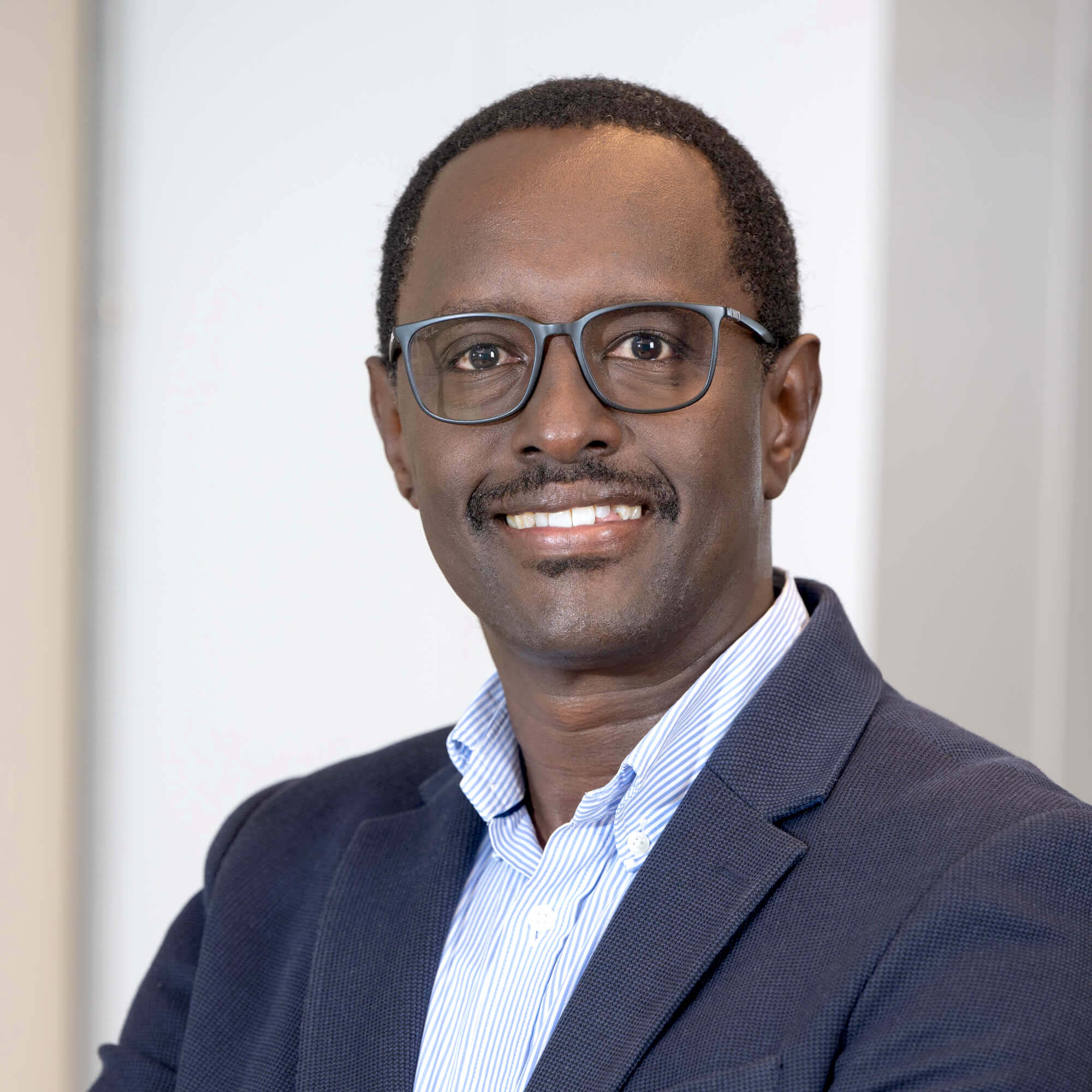
Previously, he supported the design, monitoring, and implementation of RBF programs and broader health financing reforms through the Health Results Innovation Trust Fund (HRITF), helping address both supply- and demand-side barriers to maternal, newborn, child, and adolescent health services.
He has over 20 years of experience in public financial management, health financing, and health system strengthening. He began his career by supporting reforms in the public sector through financial and performance auditing, contributing to the transformation of PFM systems. Building on this foundation, he worked as a consultant for results-based financing (RBF) health programs across Africa and South Asia, focusing on project design, management, and monitoring and evaluation.
He holds a bachelor’s degree in economics (University of Rwanda) and a master’s degree in global health policy and management (Brandeis University).
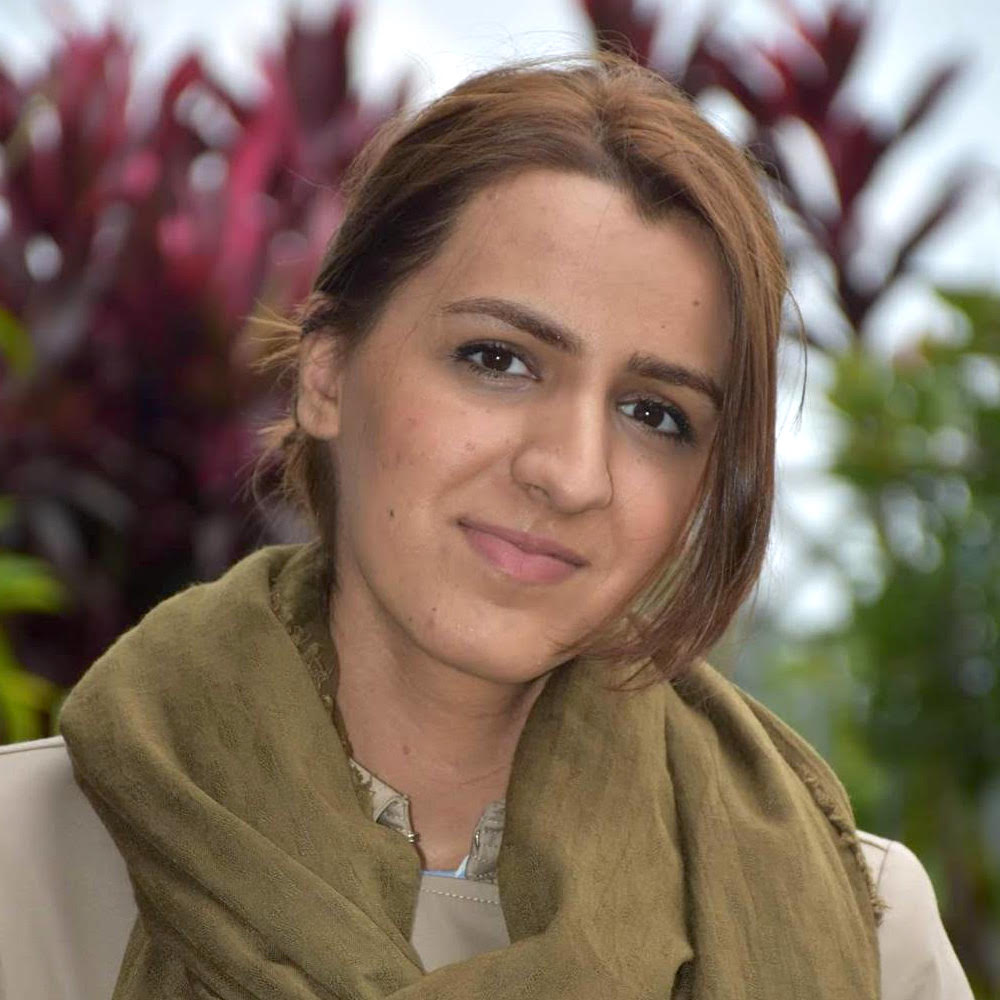
Prior to joining the World Bank, Diwa worked as a senior health system specialist at the Global Fund, where she contributed to the Global Fund’s RSSH agenda. In this role, she provided specialized technical support in community health financing approaches, HRH, social contracting with CSOs, and the integration of disease programs within countries' health system structures, particularly in preparation for the Global Fund’s Cycle 7.
Diwa has also served as the deputy health minister and senior health sector reform advisor to the president of Afghanistan. In these roles, she focused on designing national health programs and worked closely with various partners to align resources for program implementation. She also led multisectoral efforts to address social determinants of health.
Diwa holds a master’s degree in economics with specialized training in health economics and health system governance. She is passionate about research and has published in various journals, including The Lancet, BMC Health Services Research, and BMC Palliative Care. She has delivered executive trainings, most recently as a visiting lecturer at the University of Oxford’s Blavatnik School of Government, focusing on social outcome financing approaches.

Prior to joining the GFF, she led the generation and use of strategic information for programs and policies at the Philippine Department of Health. She is a medical doctor and public health specialist.

Before joining the GFF, he worked in the Global Programs Unit of the Urban, Resilience and Land Global Practice, where he served as trust fund coordinator and program manager for the SURGE umbrella program. He also held roles in the Partnerships Unit of the Social, Urban, Rural and Resilience Global Practice and coordinated, then managed, the Water Partnership Program in the Water Global Practice. Before joining the World Bank, he worked with a nonprofit consultancy firm.
He holds an MSc degree in physical geography from the University of Amsterdam.
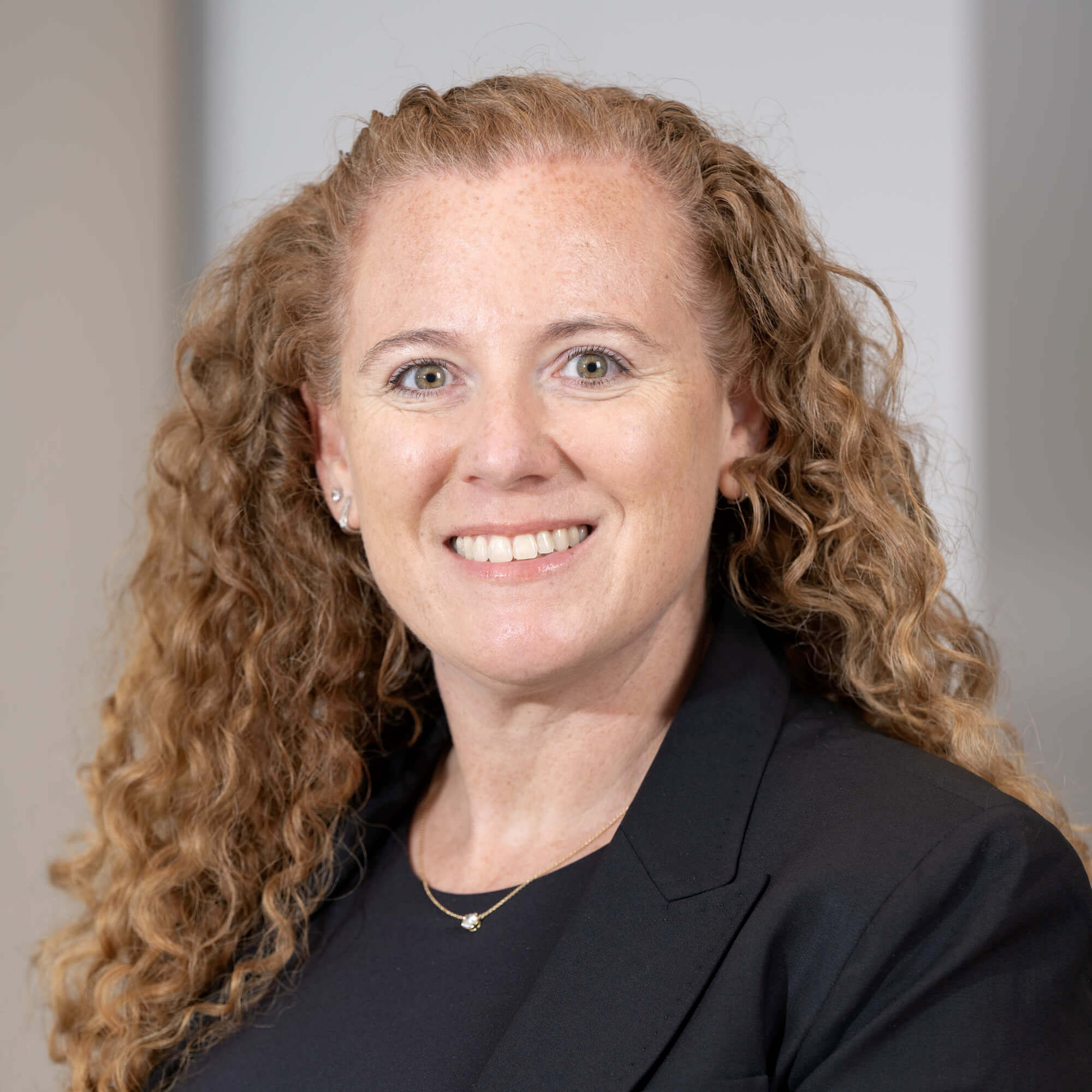
As senior monitoring and evaluation specialist and co-lead of frequent assessments and system tools for
resilience (FASTR), the rapid-cycle analytics and data use initiative at the GFF, she focuses on turning health system data into actionable information so decisions can be made to improve health outcomes.
Ashley joined the GFF in 2024 and has helped shape FASTR’s strategic direction, leading the development of an open-source, AI-enabled analytics platform that helps countries generate real-time health systems intelligence. Additionally, Ashley oversees FASTR’s routine data pillar, supporting the timely analysis of quality-assured HMIS data. She works directly with Ministries of Health and subnational stakeholders to translate analytical findings into programmatic and policy decisions, serves as a results specialist for the Tajikistan portfolio, and represents FASTR in global health forums alongside partners such as WHO, UNICEF, Gavi, and the Global Fund.
Ashley’s previous experience includes leading research and teaching on quality-of-care measurement and evidence-based decision-making as an Assistant Scientist at the Johns Hopkins Bloomberg School of Public Health. She also served as a technical officer with the World Health Organization, where she played a central role in developing the Service Availability and Readiness Assessment (SARA) tool. As a WHO consultant, she provided technical assistance to countries, supporting health facility
surveys and routine data quality reviews.
Ashley holds a doctorate of public health in international health from the Johns Hopkins Bloomberg School of Public Health and a master of public health degree in global health from George Washington University. She is passionate about strengthening country-led analytics and data use to improve health outcomes for women, children, and adolescents.
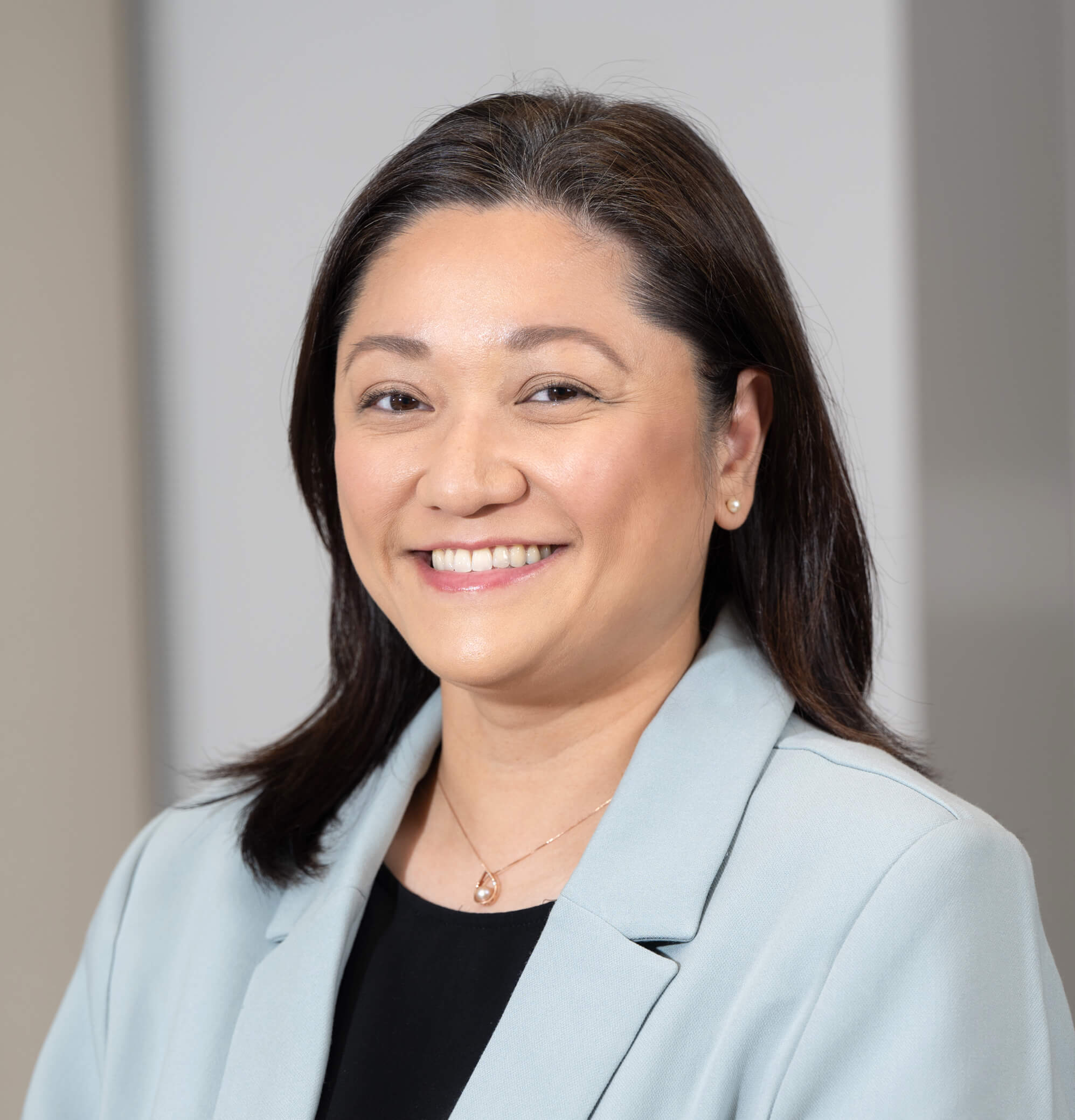
In addition, Aissa strengthens the GFF’s digital presence through social media, newsletters, and website management, enhancing visibility and audience engagement. She also contributes to the development of communication products, ensuring quality and brand consistency across platforms.
She holds a master's degree in public relations & corporate communications from Georgetown University and a bachelor’s degree in international studies from De La Salle University, Manila.

His career in the health sector began in 2013 through his work with KHANA, a local HIV/AIDS organization, and expanded his scope of responsibilities to lead the HIV prevention arm of a USAID-funded flagship HIV/AIDS project in the country over the next five years and later at FHI 360. The implementation under his stewardship encompassed tailored community outreach with vulnerable key populations, including youths and those living with HIV, modernization of SBCC through ICT innovations, implementation of novel initiatives in HIV prevention and outreach, and robust multistakeholder engagement to inform the national health response.
As the GFF country coordinator, Ratana is deeply involved in overseeing the GFF portfolio in country and leading engagement on the ground. This includes active collaboration with the World Bank task teams and their operations on the implementation of the GFF-cofinanced projects and associated analytics as well as coordination with the government and the development partner community on alignment of priorities and financing in RMNCAH-N and emerging areas of health importance. He also maintains a key role in providing insights and coordination support on various health platforms targeting nutrition, noncommunicable diseases, gender equality and inclusion, social protection, and universal health coverage.
Outside of work, Ratana enjoys landscape photography, journaling, and physical and outdoor activities. He is also a foodie at heart and does not say no to a good slice of cheesecake.
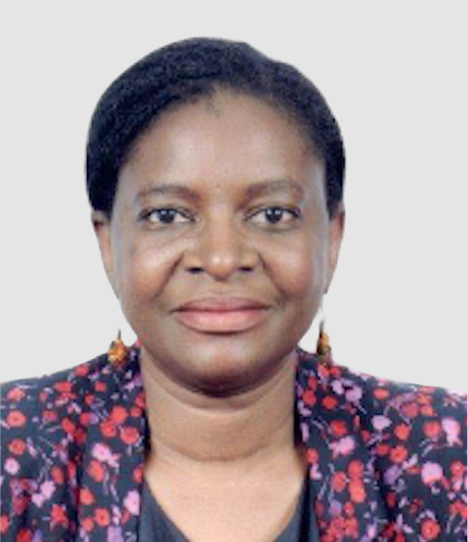
Nadine has a strong track record in engaging a broad range of stakeholders, including governments, development partners, and non-governmental organizations (NGOs). She has led strategic collaboration frameworks, strengthened government–NGO dialogue platforms, and promoted effective alignment of partner interventions with national development priorities.
Since 2021, she has served as the GFF country coordinator for Burkina Faso, where she has supported, advancing health financing reforms, resource mapping, implementation of the country’s Investment case and the development of the national health strategy 2021–2030.
Prior to this, she served as technical secretary for cooperation and health development at the Ministry of Health, where she played a pivotal role in coordinating external assistance to the health sector. In this capacity, she strengthened aid effectiveness mechanisms, promoted alignment of partner interventions with government priorities, and facilitated high-level strategic dialogue between the Ministry and technical and financial partners.
An accomplished project and program manager, Nadine has overseen the design, implementation, and monitoring of complex, multi-partner initiatives, delivering measurable results in resource optimization and health system performance.
She previously held senior leadership roles within the Ministry of Economy and Finance. She holds advanced degrees in public law, international relations and finance management and is recognized for her long-standing commitment to aid effectiveness and sustainable impact.

Prior to joining the GFF, she was a program director at Results for Development where she led a portfolio of work focused on sustainable health financing and the integration of private sector and innovations in government-led mixed health systems.
Cicely was also a technical facilitator of the Joint Learning Network for UHC, focused on primary health care financing, health benefits policy, and private sector engagement, and she continues to support peer-to-peer learning, incubating networks of local organizations, coaches and mentors across several countries. Through her work at Mathematica Policy Research, she focused on both international health and U.S. health policy on innovative models for health care delivery and quality of care indicators.
She holds an MSc focused on health financing from the London School of Economics and currently teaches a health financing course at The George Washington University Milken School of Public Health.
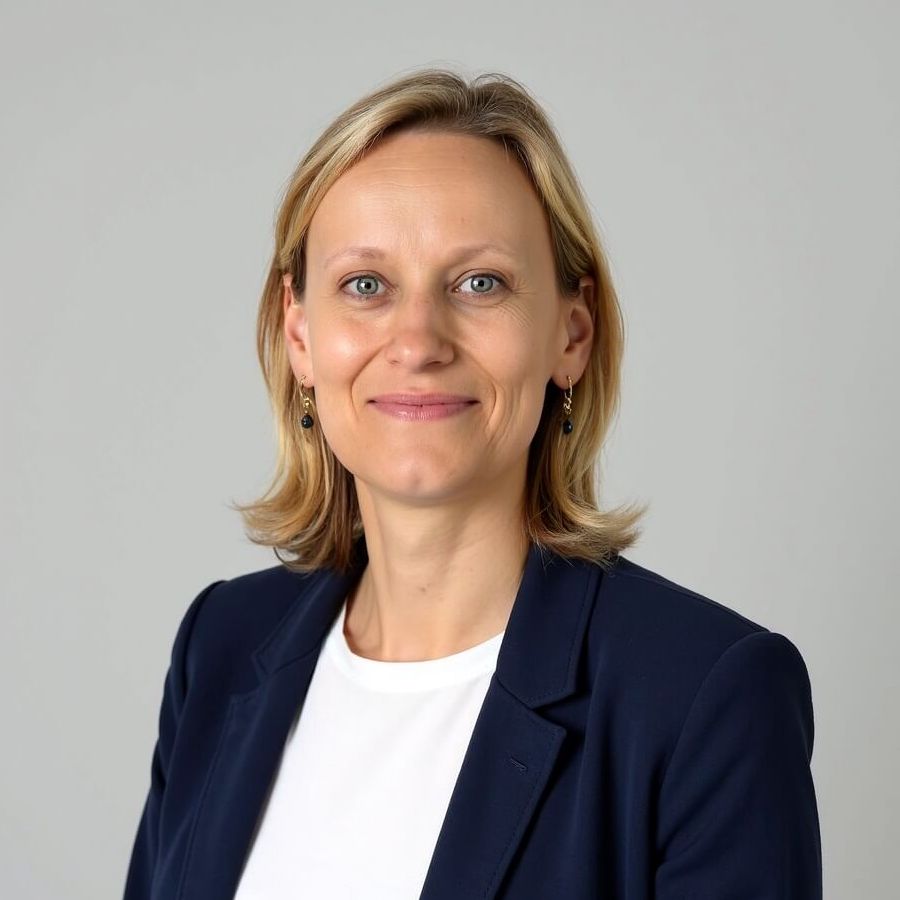
Before joining the GFF, she worked in the World Bank as a team leader of the regional Sub-Saharan African Women’s Empowerment and Demographic Dividend Project Plus project (SWEDD+), as strategy and operations officer in the front offices of the vice president for Sub-Saharan Africa and the regional directors for human development in Africa, and as executive director advisor on the World Bank Group’s Board. Prior to joining the World Bank in 2012, she worked for the Belgian Development Cooperation on partnerships with multilateral organizations and with African countries.
She holds degrees in law, international relations and peace and conflict studies from Universiteit Leuven and Université Libre de Bruxelles, Belgium, Institut d’études politiques, Aix-en-Provence, France, and the University of Queensland, Australia.
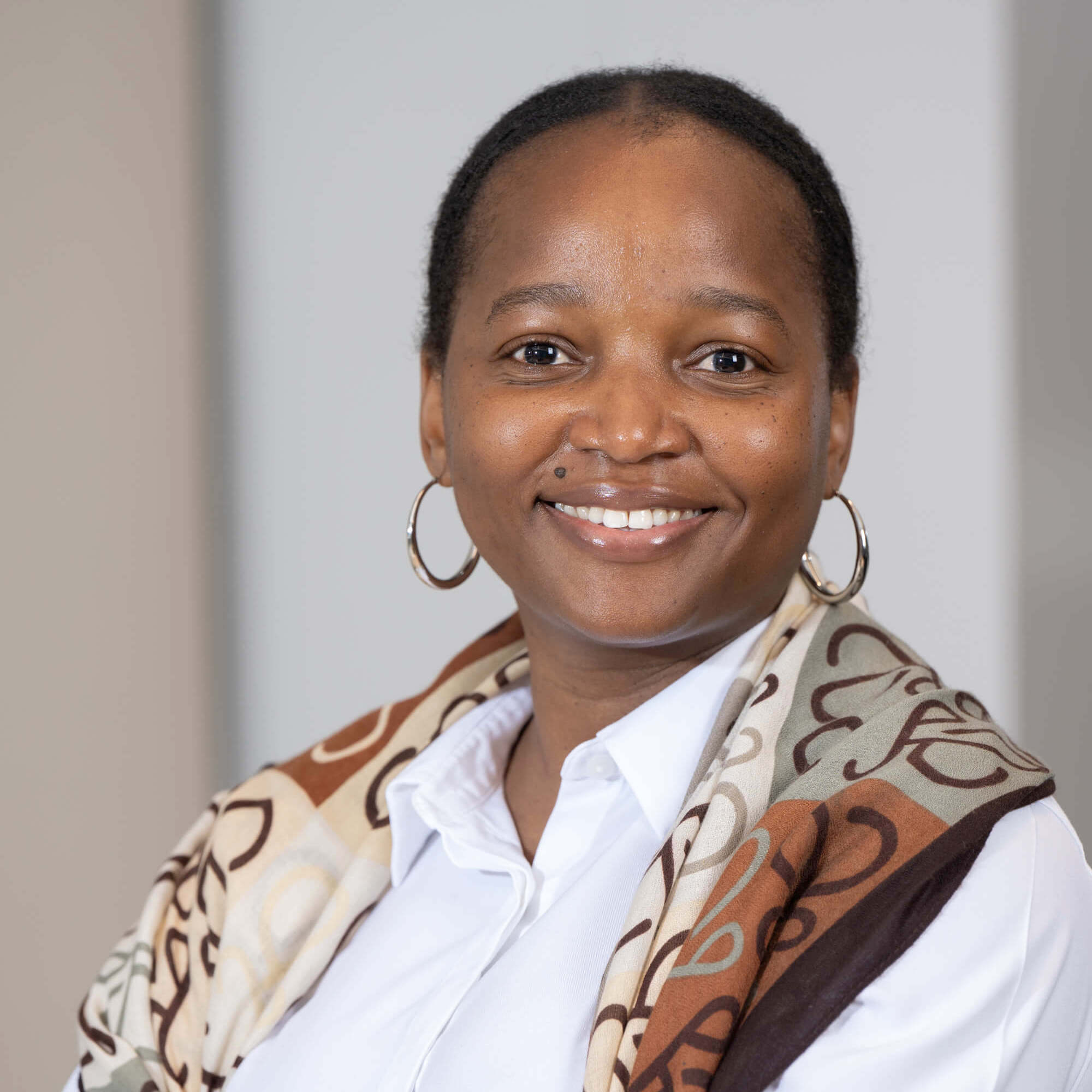
Before joining the GFF, she worked with the World Bank from 2019, supporting the design, implementation, and monitoring of World Bank/GFF co-financed health and multisectoral projects. She also served with the government of Nigeria for six years, contributing to efforts to revitalize primary health care through innovative approaches, including performance-based financing and direct facility financing.
A physician with a master’s degree in health economics and decision modeling, Fanen brings over a decade of experience in health systems strengthening and financing.
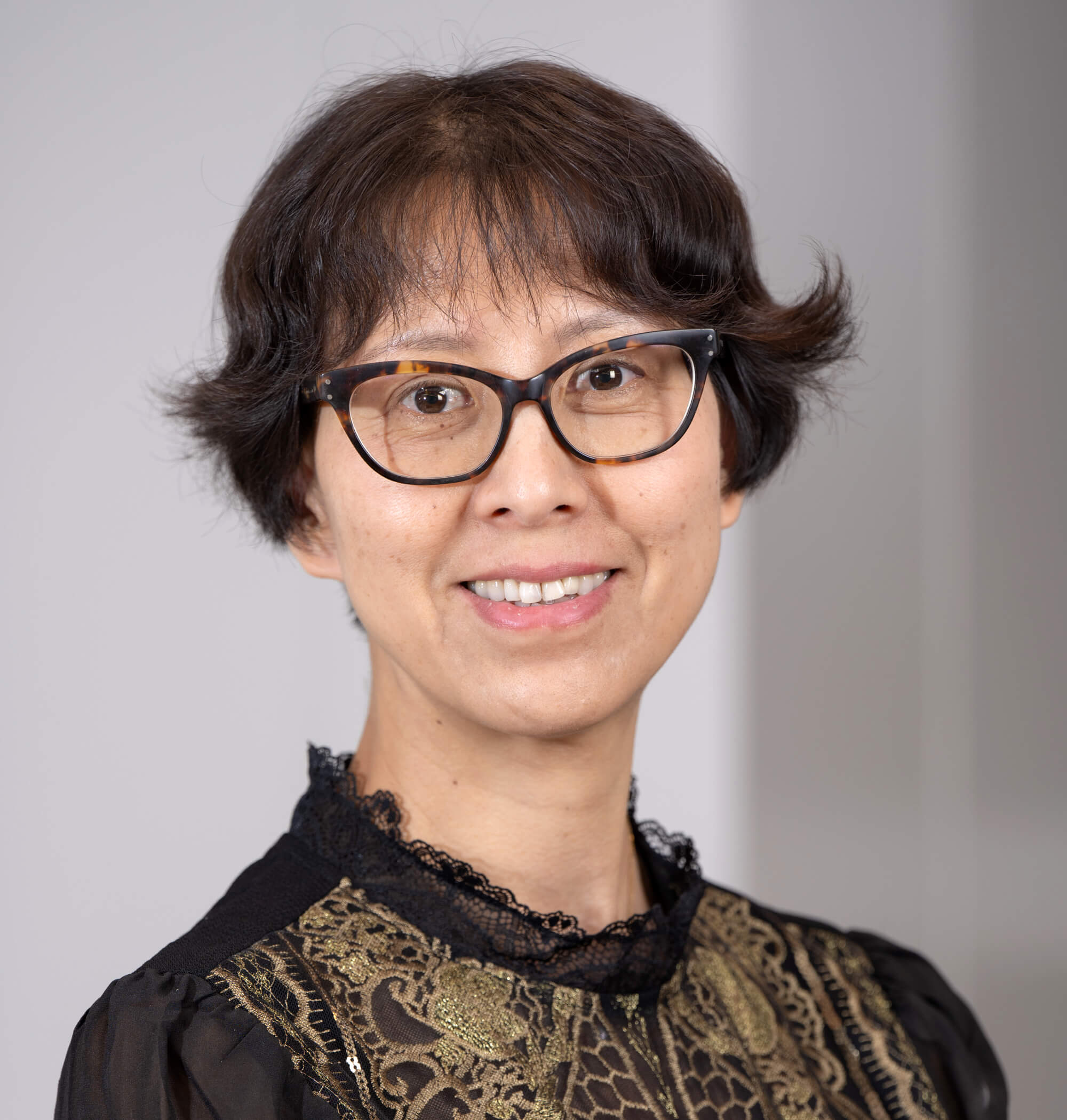
With more than 20 years’ experience in global health, Shufang was the technical lead of value for money at the Global Fund, where she led the development of value for money framework and workstream. She successfully provided technical advice to over 70 countries, with expertise in the areas of costing, cost-effectiveness analysis, efficiency assessment of health programs and systems, and payment for results program design, among others.
Shufang worked for United Nations, served on multiple expert panels and advisory committees on global health, and has managed and built strong partnerships with leading academic institutions, think tanks, as well as technical and funding partners in global health.
She holds a master’s degree in environmental economics from Duke University and a doctorate in health economics from Harvard University.

