
The GFF at the International Maternal Newborn Health Conference (IMNHC)
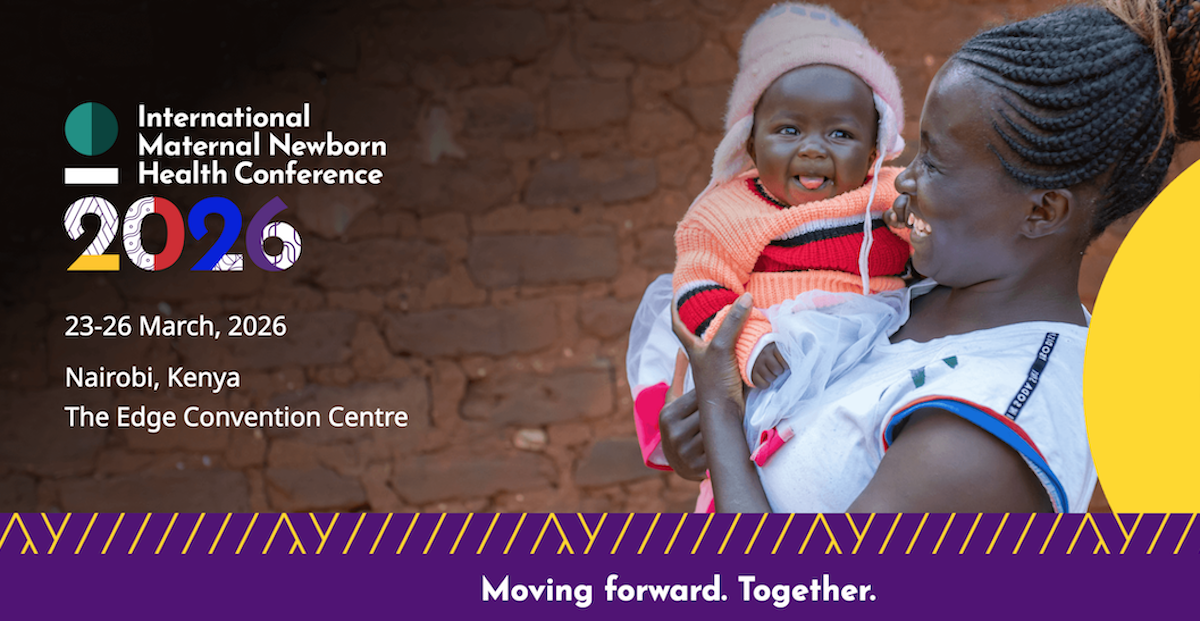
The GFF is proud to co-sponsor and participate in the International Maternal Newborn Health Conference (IMNHC).
At a time when countries are seeking smarter investments that strengthen health systems and save lives, IMNHC provides a powerful platform to highlight solutions, evidence, and partnerships that work.
The GFF is fully aligned with this agenda. Since its launch in 2015, the country-led partnership has helped 36 partner countries mobilize resources and build resilient health systems to improve outcomes for women, children and adolescents.
Today, all GFF partner countries have reduced maternal and under-five mortality and are outpacing global progress.
At IMNHC, the GFF will share country experiences, practical tools, and sustainable financing solutions to help scale lifesaving care and unlock the economic potential of healthier populations.
Visit us at Booth #14 to connect and learn more about the GFF.
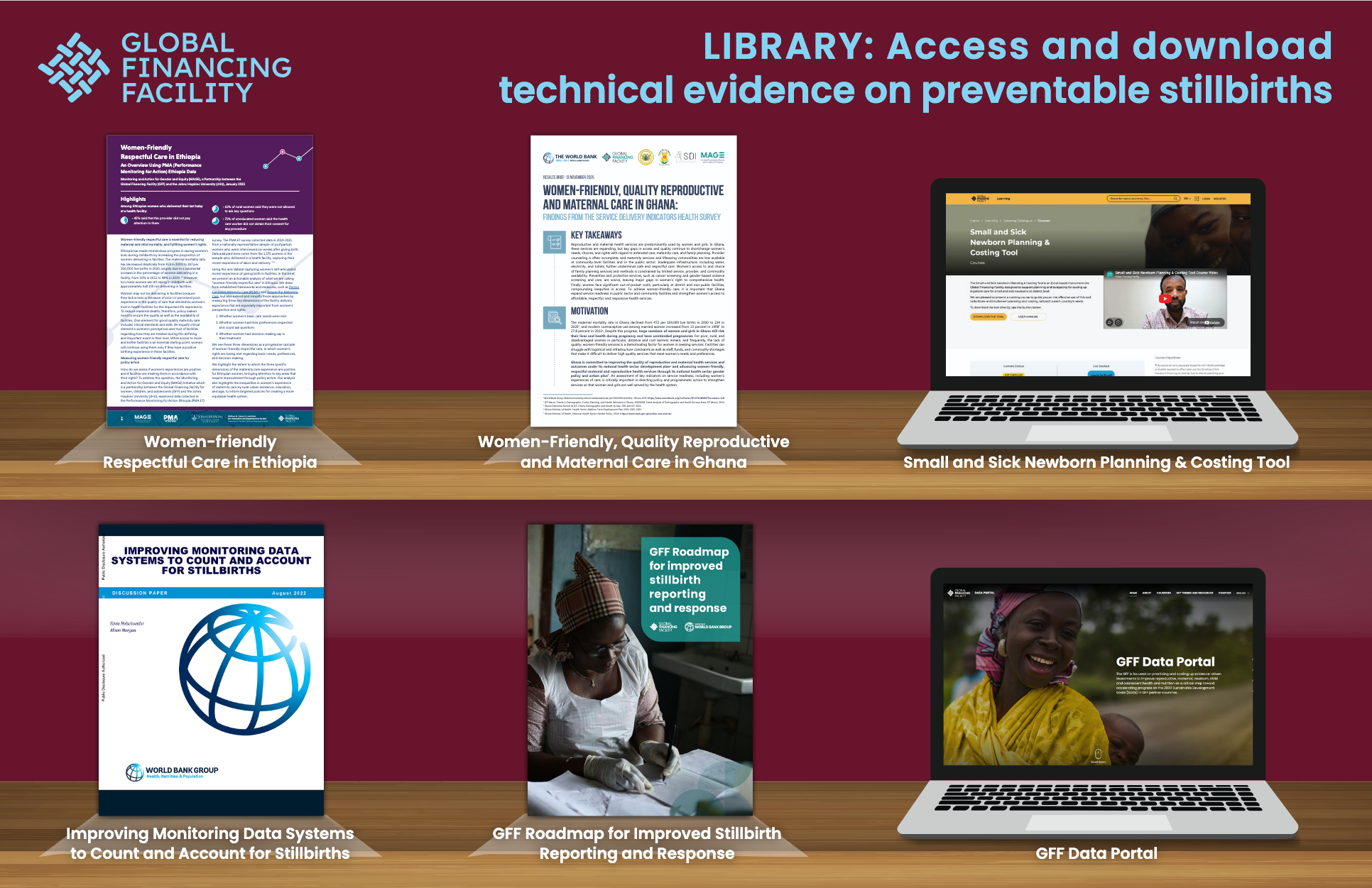
EXPLORE THE GFF LIBRARY: Resources Related to Maternal and Newborn Health
Click the image below to open the interactive PDF
JOIN US IN NAIROBI FOR THESE SESSIONS:
Tuesday, March 24 | 9:45 a.m. – 1:00 p.m. EAT | Boardroom 23
This session will explore how countries are strengthening analytical capacity to use data to accelerate reductions in maternal and newborn mortality and stillbirths. Speakers from Kenya, Zambia, Senegal, Burkina Faso, and the Democratic Republic of Congo will share on how evidence is shaping policies and programs. It will also share key findings from Countdown to 2030's multicountry study on maternal and newborn mortality trends and how women's empowerment affects access to services. Global partners—including WHO, PMNCH, UNICEF, the GFF and the Gates Foundation—will discuss how country-driven analyses can improve accountability and guide investments, while participants identify ways to scale evidence use and sustain country-led data platforms.
# # #
Tuesday, March 24 | 9:45 a.m. – 1:00 p.m. EAT | Boardroom 22
This session will showcase the Maternal, Newborn, and Stillbirth (MNS) Programmatic Transition Framework, introduced at IMNHC 2023, and its use in identifying strategic priorities for accelerating maternal and newborn health. WHO, UNFPA, UNICEF, GFF, and Gates Ventures will highlight country examples, demonstrate practical tools, and engage participants in hands-on exercises.
# # #
Financing Maternal and Newborn Healthcare in a Changing Global Health Landscape
Tuesday, March 24 | 2:00 – 5:15 p.m. EAT | Boardroom 23
Amid declining global health funding, this session will explore how health financing can adapt to sustain progress toward universal health coverage. It will cover World Bank and GFF programmatic processes and financing instruments, evidence-based budgeting and prioritization, and promising collaborations to strengthen resilient and sustainable financing for maternal and newborn health.
# # #
Empowering Tomorrow: Partnering to Deliver Maternal and Newborn Health at Scale
Tuesday, March 24 | 2:30 – 5:15 p.m. EAT | Boardroom 4
Despite global commitments, progress on ending preventable maternal and newborn deaths and stillbirths remains off-track, with implementation and coordination challenges—rather than lack of evidence—being the main barriers. This panel will explore how governments, UNICEF, WHO, the GFF, philanthropic partners, and regional leaders can strengthen coordinated delivery, accountability, and learning for maternal and newborn health, using financing as an enabler rather than the focus.
# # #
The Small and/or Sick Newborn Planning & Costing Tool: A Hands-On Tool to Plan and Budget for Delivering and Scaling up Inpatient Level-2 Unit Care
Thursday, March 26 | 9:00 – 11:30 a.m. EAT | Innovation Marketplace | Ballroom 1 and 2

